
Superficial Fungal Infections: From Athlete’s Foot to Ringworm
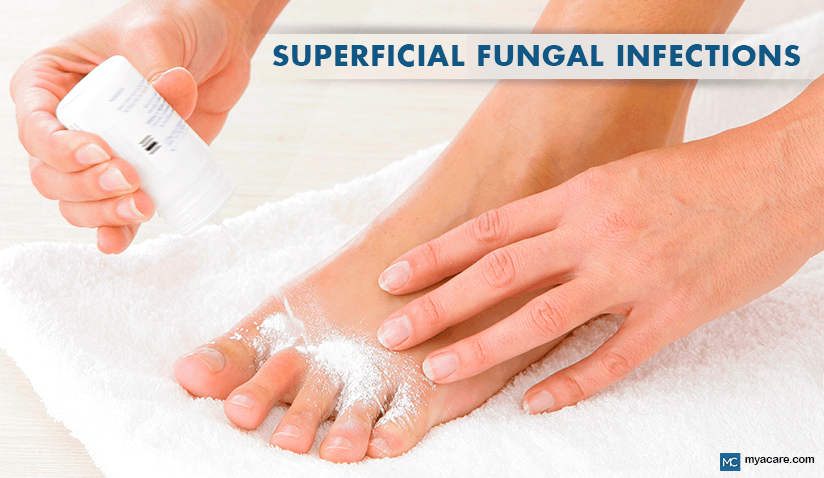
Fungal infections are among the most common skin conditions, affecting millions worldwide each year. Superficial fungal infections are usually harmless, but in rare cases, deeper or untreated infections may lead to more serious health concerns. While some fungal infections may appear primarily cosmetic, they can also cause discomfort, lead to complications, and significantly impact a person's quality of life.
With proper care, superficial fungal infections are generally treatable. However, they can often persist or recur without proper management. That is why their global prevalence remains high, especially in warm, humid climates and in populations with certain risk factors.
What are Superficial Fungal Infections?
Superficial fungal infections occur when fungi invade the keratinized tissues of the body, such as the skin, hair, and nails. Dermatophyte fungi are the usual culprits, particularly those from the Microsporum, Trichophyton, and Epidermophyton genera. These fungi rely on keratin for growth and are categorized based on the source of infection:
- Anthropophilic (human-to-human)
- Zoophilic (animal-to-human)
- Geophilic (soil-to-human)
Causes and Risk Factors
Several factors contribute to fungal infection susceptibility:
- Immunocompromised conditions: Individuals with diabetes, HIV, cancer, or those undergoing chemotherapy or immunosuppressive therapy are at higher risk.
- Use of broad-spectrum antibiotics or corticosteroids: These medications disrupt normal microbial flora and immune responses.
- Warm and moist environments: Sweating, tight clothing, and non-breathable shoes create ideal conditions for fungal growth.
- Compromised skin barrier: Minor injuries, eczema, or frequent shaving can open up the path for fungal growth.
- Close contact with infected individuals, pets, or contaminated surfaces: Superficial fungal infections can spread through direct skin contact with an infected person or animal, or by touching contaminated items, such as clothing or shared surfaces.
- Communal areas: Gyms, locker rooms, swimming pools, and shared showers are frequent sources of infection.
- Certain occupations/lifestyles: Athletes, military personnel, miners, and those wearing occlusive clothing for extended periods are particularly susceptible.
- Genetic predisposition: Some individuals may have a natural vulnerability.
- Poor hygiene practices: Poor hygiene practices, such as infrequent washing or sharing personal items, can create an environment that supports fungal growth and increases the risk of both initial infection and reinfection.
Most Common Types of Superficial Fungal Infections - Signs and Symptoms
Tinea (Ringworm) Infections
A group of fungal infections of the skin, these are named according to the affected body part:
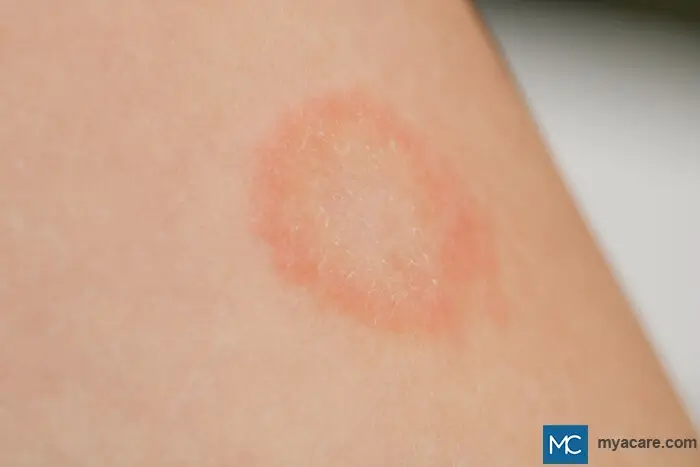
- Tinea corporis affects the trunk and limbs. It is characterized by red, scaly, ring-shaped lesions (Tinea circinata). Direct contact with infected individuals, pets, or shared items can lead to the spread of the infection. Tinea corporis treatment usually involves topical antifungals.
- Tinea pedis or athlete’s foot usually manifests between the toes or on the soles. The symptoms include itching, scaling, and maceration. The condition is common among athletes and frequent gym-goers. Tinea pedis treatments involve topical antifungal creams or powders. Severe cases may require oral medication. Self-care includes keeping feet dry, wearing breathable shoes, and avoiding shared footwear.
- Tinea cruris (jock itch) occurs in the groin and inner thighs. Most cases are caused by Trichophyton rubrum or Epidermophyton floccosum, with Trichophyton mentagrophytes or Trichophyton verrucosum implicated less often. A newly identified species, Trichophyton indotineae, first detected in southern Asia in 2014, has since spread globally. Symptoms include redness, itching, and a sharply demarcated rash. Tinea cruris treatment varies based on severity. It usually involves antifungal creams and powders.
- Tinea capitis affects the scalp and is more prevalent in children. Signs include hair loss patches, scaling, and black dots. Tinea capitis treatment often requires oral antifungals.
- Tinea unguium (onychomycosis) affects the nails. They become thickened, discolored, and brittle. Tinea unguium treatment may involve oral antifungals for several months. White superficial onychomycosis is a subtype affecting the nail surface.
- Tinea manuum involves the palms and interdigital spaces. It presents with scaling, dryness, and sometimes vesicles. This infection often occurs with tinea pedis, leading to a “two feet, one hand” pattern.
- Tinea faciei: Tinea faciei is a type of fungal skin infection that affects the smooth, hairless parts of the face. In children and women, it can appear anywhere on the face, including the upper lip and chin. In men, if the infection involves the beard or mustache area, it is called tinea barbae.
Candidiasis
Candidiasis is caused by the Candida species. There are different forms of superficial candidiasis. These are categorized as cutaneous, oropharyngeal, and vaginal. The infection affects moist areas and mucous membranes. Here’s a brief overview of potential manifestations:
- Oral thrush: White patches in the mouth and throat.
- Intertrigo: Affects skin folds, causing redness and maceration.
- Vaginal yeast infection: Causes itching, discharge, and burning.
Unlike tinea, candidiasis is more likely in immunocompromised individuals and those using antibiotics.
Pityriasis Versicolor (Tinea Versicolor)
The infection leads to hypo-pigmented or hyperpigmented patches (discoloration) on the trunk and shoulders. It is caused by Malassezia species (not dermatophytes, but by yeast overgrowth). Related conditions include seborrheic dermatitis and Malassezia folliculitis.
Sometimes it is challenging to tell the difference between superficial candidiasis and Tinea versicolor. Superficial candidiasis typically causes inflamed, moist lesions, whereas tinea versicolor causes dry, patchy discoloration. This distinction is critical for accurate fungal skin infection treatment.
Diagnosing Superficial Fungal Infections
Diagnosis is primarily clinical but may be supported by:
- Physical examination of the affected area.
- Skin scrapings and KOH examination to visualize fungal elements under a microscope.
- Wood’s lamp examination can highlight some fungal infections under ultraviolet light.
- Fungal culture helps confirm the organism and guide treatment in resistant cases.
Treatments
The usual treatment options involve different types of antifungals and other supportive therapies:
Topical Antifungals
These are first-line for most superficial fungal infections:
- Azoles: Used for candidiasis and dermatophytes.
- Allylamines: Effective for tinea pedis, tinea cruris, and tinea corporis.
- Ciclopirox: Used for mild nail infections or white superficial toenail fungus.
Depending on the location and severity, topicals are applied one or two times daily for two to four weeks.
Oral Antifungals
Indicated when topicals fail or for hair and nail involvement:
- Griseofulvin, terbinafine, and itraconazole are commonly prescribed antifungals.
- Used in treating tinea capitis and tinea unguium.
- May have side effects like liver toxicity and drug interactions, so monitoring is advised.
Duration of Treatment
Skin infections may resolve in two to four weeks (four to six weeks for scalp infections). Nail infections take longer, usually six to twelve weeks for fingernails, and twelve to twenty-four weeks for toenails.
Adjunctive Therapies
Certain adjunctive therapies can help with long-term management and significantly support antifungals in some cases. These include:
- Antifungal shampoos (containing ketoconazole, selenium sulfide) for scalp or pityriasis versicolor.
- Drying powders and absorbent clothing help in treating tinea cruris and tinea pedis.
- Regular nail trimming, keeping the nails clean and dry, and avoiding trauma (to cure nail fungus)
- Managing underlying conditions like diabetes is essential for long-term success.
Why Is It Important to Complete the Treatment?
Stopping therapy prematurely often results in recurrence or resistance. This is particularly common when using tinea pedis medications and with nail infections.
Tips to Prevent Superficial Fungal Infections
The following tips can help prevent superficial fungal infections:
- Keep skin dry and clean, especially after sweating.
- Wear breathable, loose-fitting clothing and cotton socks.
- Do not share personal items such as towels, shoes, or razors.
- Use antifungal powders in shoes and groin areas.
- Practice good foot hygiene: dry between toes, change socks regularly.
- Disinfect surfaces in communal areas.
- Check pets for signs of ringworm.
- Maintain overall health and manage chronic illnesses.
When to See a Doctor?
Most superficial fungal infections can be resolved with self-care and over-the-counter solutions. However, a specialist’s help is sometimes necessary. Here’s when you should consult a doctor:
- If a fungal infection on the face or body does not improve with over-the-counter treatment.
- If symptoms worsen, spread, or involve hair and nails.
Recurrent infections may indicate an underlying problem, such as diabetes or a weakened immune system, and require professional evaluation.
The Bottom Line
Superficial fungal infections are common and largely manageable. While they can cause significant discomfort and cosmetic concerns, they are usually not life-threatening. By maintaining proper hygiene, timely treatment, and completing the full course of therapy, individuals can effectively clear most superficial fungal infections and prevent frequent recurrences. If symptoms worsen or the infection does not respond to over-the-counter treatment, consulting a healthcare professional is recommended for proper evaluation and treatment.
To search for the best Dermatology Healthcare Providers in Croatia, Germany, Greece, India, Malaysia, Singapore, Slovakia, Spain, Thailand, Turkey, the UAE, UK, the USA, please use the Mya Care search engine.

Dr. Rosmy Barrios is an aesthetic medicine specialist with international work experience. She earned her physician diploma at the Universidad Del Norte’s School of Medicine in Barranquilla, Colombia, and her specialty at John F. Kennedy University in Buenos Aires, Argentina. Dr. Barrios is a member of the Pan-American Aesthetic Medicine Association (PASAM) and the Union Internationale de Médecine Esthétique (UIME). She is an expert health writer with keen interests in aesthetic medicine, regenerative aesthetics, anti-aging, fitness, and nutrition. Currently, Dr. Barrios heads the Regenerative Aesthetics department at a renowned Internal Medicine clinic based in Belgrade, Serbia.
References:
Featured Blogs

Medically Induced Coma: What It Is, How It Works, Who Benefits, and Recovery Outcomes