
About This Video
Neuroplasticity: How the Brain Rewires Itself
The brain can reorganize itself through neuroplasticity, allowing it to adapt, learn, and recover from injury. This video examines how new neural pathways form during early development, how the brain compensates after damage, and how repeated practice strengthens specific functions. It also explores how the brain adjusts to sensory loss by enhancing other senses. In addition, it highlights activities such as language learning, music, and travel that can help support and strengthen these adaptive processes.
Related Neurology Videos
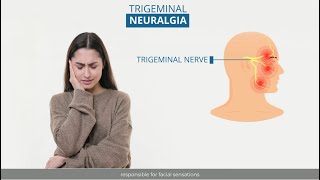
Understanding Trigeminal Neuralgia
Ever felt sudden, intense facial pain from routine activities? Learn about trigeminal neuralgia, its causes, triggers, and available medical, procedural, and surgical treatment options.

Medically Induced Coma: How It Works
A medically induced coma is a controlled intervention used in critical conditions to reduce brain activity, manage swelling, and support recovery under close medical supervision.

How the Vagus Nerve Governs Your Body
The vagus nerve regulates key functions like heart rate, digestion, and breathing. Understand its anatomy and role in controlling essential involuntary processes across the body.
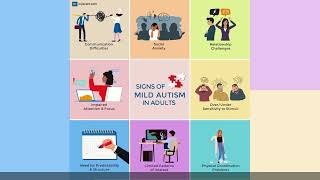
Adult Autism: Hidden in Plain Sight?
Autism can persist into adulthood, often with subtle signs. Learn how it presents through social, communication, sensory, and behavioral patterns, and how it is identified.