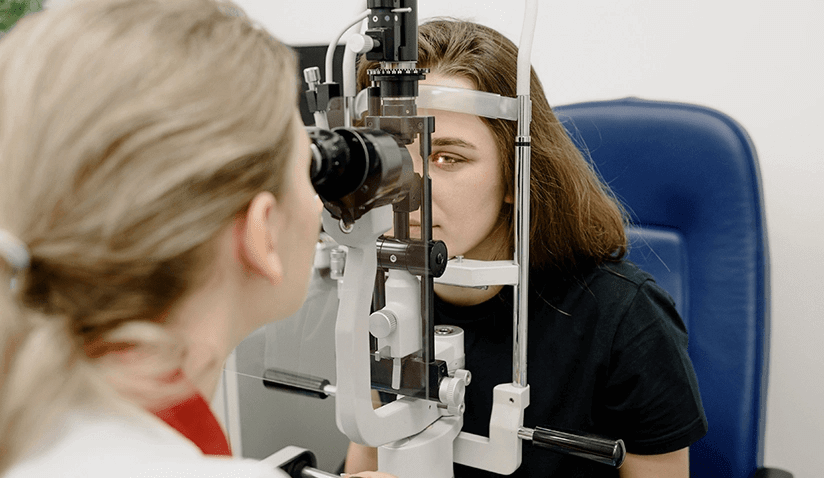
How a Tooth Can Help Restore Sight: OOKP Surgery Explained
Osteo-Odonto-Keratoprosthesis (OOKP), or “tooth-in-eye surgery,” uses a specially prepared tooth-based implant to help restore sight in select cases of severe corneal blindness when standard treatments are unsuitable. In this video, discover how the implant is created, when OOKP may be considered, its potential risks, and what life after surgery may involve. For more detailed insights into outcomes, surgical refinements, contraindications, and more, read the full blog.
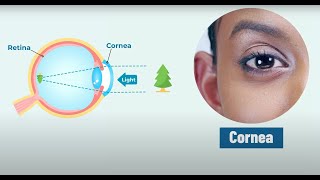
Did you know that sight can be restored using one’s own tooth?
This rare and complex procedure is called the osteo-odonto-keratoprosthesis, or OOKP — also known as “tooth-in-eye” surgery.
Here’s how it works.
A small piece of tooth and surrounding bone is removed, shaped, and fitted with a tiny optical cylinder to create an implant. The eye is then prepared for the implant, which is subsequently placed into the cornea, creating a new pathway for vision.
OOKP is usually reserved for people with severe corneal blindness, especially when conventional transplants or grafts have failed. Conditions such as Stevens-Johnson syndrome, ocular cicatricial pemphigoid, or chemical burns are some examples of indications for candidacy.
The surgery is performed in two stages, spread over several months. Recovery can take between four and eight months.
The outcomes are often life-changing, but there are risks, such as implant loss, infection, or glaucoma. That’s why strict follow-ups and even oral hygiene care are essential parts of life after surgery.
All things considered, tooth-in-eye surgery represents a remarkable advancement in ophthalmology, helping restore vision in situations where standard therapies often fall short.
Related Blogs