
Exploring the Gut Microbiome – Hypothyroidism Connection
Medically Reviewed by Dr. Sony Sherpa, (MBBS) - August 25, 2025
Hypothyroidism, marked by reduced thyroid activity, impacts millions globally. The condition is associated with symptoms such as fatigue, weight gain, constipation, and cold intolerance. While thyroid hormone dysfunction is typically seen as an endocrine issue, emerging evidence now reveals its complex interplay with another essential system: the gut microbiome.
The gut microbiome, a vast ecosystem of microorganisms within the gastrointestinal tract, is integral to digestion, immune modulation, nutrient absorption, and hormone regulation. Recent studies suggest a bidirectional relationship between thyroid health and gut microbial composition, each influencing the other in ways that can alter disease progression and symptom severity.
This dynamic relationship matters because it expands how we understand and manage hypothyroidism.
What Is Hypothyroidism?
Hypothyroidism is an endocrine disorder marked by insufficient secretion of thyroxine (T4) and triiodothyronine (T3), hormones critical for metabolic regulation, cellular growth, and energy production. Worldwide, the most common cause of hypothyroidism is iodine deficiency. However, in areas with adequate iodine levels, the most frequently seen cause is autoimmune thyroiditis. Other causes include certain medications, thyroid surgery, or radiation therapy.
Key symptoms of hypothyroidism include fatigue, weight gain, dry skin, hair thinning, sensitivity to cold, constipation, menstrual irregularities, and depression. In children, it can impair growth and cognitive development. Women over 60, individuals with autoimmune conditions, and those with a family history of thyroid disease are particularly at risk.
Beyond metabolic regulation, thyroid hormones also play a critical role in digestive health. They help regulate gut motility, influence gastric acid secretion, and maintain intestinal barrier integrity. When these hormones are deficient, slowed gut transit can lead to symptoms such as bloating, constipation, and increased susceptibility to gut infections.
What Is the Gut Microbiome?
The gut microbiome refers to the diverse mix of bacteria, viruses, fungi, and other microorganisms found in the gastrointestinal tract. This internal ecosystem is essential for breaking down complex carbohydrates, synthesizing vitamins such as B vitamins and vitamin K, training the immune system, and modulating inflammation. A healthy gut microbiota supports balanced immune function and inhibits the overgrowth of harmful bacteria.
In contrast, gut dysbiosis, an imbalance in the constitution or function of the microbiota, has been tied to irritable bowel syndrome (IBS), obesity, type 2 diabetes, and autoimmune diseases. In individuals with hypothyroidism, slower gut motility and altered pH levels can promote dysbiosis.
Moreover, the gut microbiome influences the gut-brain axis, a communication pathway linking gut health to mood, cognition, and mental health. Changes in microbiota composition have been linked to anxiety and depression symptoms that frequently overlap with hypothyroidism, further highlighting the systemic impact of gut-thyroid interactions.
How Hypothyroidism Affects Gut Health
Hypothyroidism impacts the gastrointestinal system in multiple ways, primarily through reduced metabolic activity, impaired digestive function, and disrupted gut microbial balance. These effects can contribute not only to digestive symptoms but also to systemic inflammation and nutrient malabsorption.
Altered Gut Motility and Function
One of the hallmark effects of hypothyroidism is slowed gastrointestinal motility. Thyroid hormones help regulate the smooth muscle activity of the intestines. When these hormones are deficient, the transit time of food through the gut is prolonged, leading to symptoms such as constipation, bloating, and gas.
This sluggish motility is also a key risk factor for Small Intestinal Bacterial Overgrowth (SIBO), a condition where excessive bacteria grow in the normally low-bacterial environment of the small intestine. Multiple studies have reported a significantly higher prevalence of SIBO in hypothyroid patients, particularly those with autoimmune thyroiditis. This overgrowth can cause additional symptoms like abdominal discomfort, diarrhea, and nutrient deficiencies, further compounding the challenges of managing hypothyroidism.
Impaired Digestive Secretions
Thyroid hormones influence the secretion of digestive enzymes and fluids, including gastric acid and bile. In hypothyroid states, gastric acid production is reduced, which can impair protein digestion and increase the risk of gastrointestinal infections. Additionally, decreased bile secretion leads to poor fat emulsification and absorption, contributing to dyspepsia and steatorrhea (fatty stools).
This impaired bile flow may also increase the risk of gallstone formation (cholelithiasis). Research indicates that hypothyroidism alters the composition of bile and slows gallbladder emptying, creating a favorable environment for gallstone development1.
Gut Barrier Dysfunction
Hypothyroidism is also associated with increased intestinal permeability, commonly referred to as "leaky gut." This condition develops when the tight junctions between intestinal epithelial cells weaken, allowing toxins, microbes, and undigested food particles to pass into the bloodstream. This can trigger systemic inflammation and may worsen autoimmune activity, including that seen in Hashimoto’s thyroiditis.
Microbiome Imbalance
All of the above factors contribute to gut microbiome imbalance. Hypothyroidism creates an environment conducive to dysbiosis, characterized by a reduction in beneficial bacterial populations (such as Lactobacillus and Bifidobacterium) and an increase in opportunistic pathogens. Dysbiosis not only worsens gastrointestinal symptoms but may also disrupt the conversion of T4 to T3, the active thyroid hormone, thereby leading to thyroid dysfunction.
Gastrointestinal Symptoms in Hypothyroid Patients
Many patients with hypothyroidism report a spectrum of gastrointestinal symptoms, including:
- Constipation
- Abdominal bloating
- Flatulence
- Nausea
- Early satiety
- Weight gain despite normal eating
These symptoms are often mistaken for functional gastrointestinal disorders but may improve with optimized thyroid hormone replacement and supportive gut therapies.
How Gut Dysbiosis May Contribute to Hypothyroidism
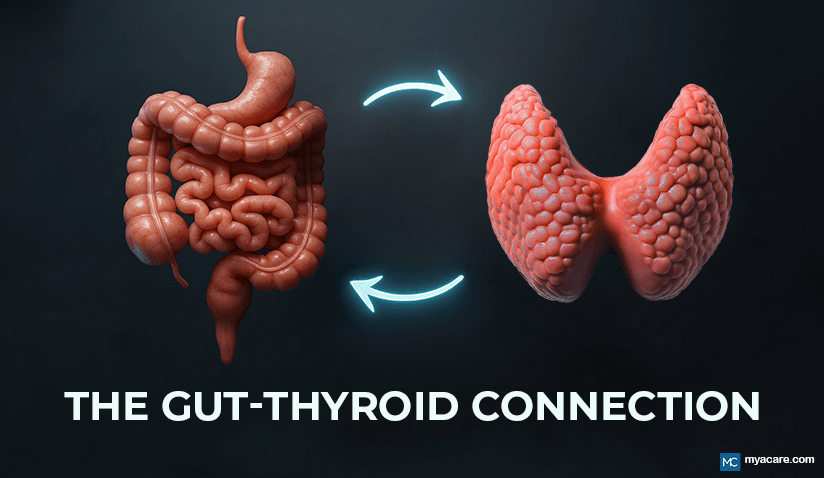
While hypothyroidism can disrupt gut health, emerging research shows that disturbances in the gut microbiome may also impair thyroid function, creating a bidirectional feedback loop. This relationship highlights the central role of the gut in regulating nutrient metabolism, immune tolerance, and hormonal balance.
Impaired Nutrient Absorption Affecting Thyroid Function
A healthy gut microbiome is fundamental to proper digestion and absorption of key micronutrients involved in thyroid hormone synthesis and activation, most notably iodine, selenium, iron, and zinc, and vitamin D. Beneficial gut bacteria assist in the breakdown and conversion of these nutrients into bioavailable forms that the body can use.
In a dysbiotic gut, the reduced population of helpful bacteria impairs this process, leading to micronutrient deficiencies. For example:
- Selenium is essential for T4 conversion (inactive thyroid hormone) to T3 (active form) via the enzyme deiodinase.
- Zinc and iron are needed for proper thyroid hormone synthesis and receptor sensitivity.
- Iodine absorption can be affected by bacterial overgrowth or inflammation.
When these nutrients are poorly absorbed, thyroid hormone production and activation suffer, contributing to functional hypothyroidism or subclinical thyroid dysfunction.
Disrupted Immune Regulation and Autoimmunity
Gut dysbiosis is also implicated in immune dysregulation, which can contribute to autoimmune thyroid diseases such as Hashimoto’s thyroiditis and Graves’ disease. A balanced microbiome promotes immune tolerance by regulating T-cell differentiation and controlling inflammatory cytokine production.
When the gut microbial balance is disturbed:
- Molecular mimicry may occur, in which bacterial antigens resemble thyroid tissue, prompting the immune system to attack the thyroid gland.
- A decline in sulfatase-producing bacteria may affect hormone metabolism, particularly the deconjugation of thyroid hormones in the liver and gut, altering systemic hormone levels.
These mechanisms suggest that the gut microbiota may play a role in triggering or perpetuating thyroid autoimmunity, especially in genetically predisposed individuals.
Specific Microbiota and Thyroid Associations
Recent studies have identified specific bacterial genera associated with thyroid health:
- Akkermansia muciniphila: Known for supporting gut barrier integrity and reducing inflammation, this bacterium is often reduced in individuals with autoimmune thyroid disease.
- Anaerostipes: Anaerostipes is a beneficial gut bacterium that helps in Graves’ disease, a common cause of hyperthyroidism. In hypothyroidism, its levels may rise due to slower gut movement from low thyroid hormones or as a side effect of treatments. While usually “friendly,” Anaerostipes may influence thyroid function differently depending on gut and thyroid health.
- Bacteroides and Prevotella: Imbalances in these bacterial populations correlate with altered thyroid hormone levels and elevated inflammatory markers.
Such findings underscore the possibility that manipulating the gut microbiome via diet, probiotics, or prebiotics could support thyroid health in select patients.
Evidence From Research
A 2024 study found that genetically predicted abundance of certain gut bacteria was associated with higher or lower risk of hypothyroidism, providing some of the strongest evidence to date for a microbiota-thyroid connection. These results build upon previous observational studies and open new pathways for therapeutic exploration.
The Bidirectional Link: A Vicious Cycle?
The relationship between hypothyroidism and the gut microbiome is not merely correlative; it can become a self-perpetuating cycle. Hypothyroidism slows gut motility, reduces digestive secretions, and weakens the intestinal barrier, all of which promote gut dysbiosis and SIBO. In turn, dysbiosis impairs nutrient absorption, disrupts immune regulation, and may even promote thyroid autoimmunity, further aggravating thyroid dysfunction.
Addressing only one side of this cycle, either the thyroid or the gut, may lead to incomplete or short-lived improvements. For sustained health outcomes, clinicians must view thyroid and gut health as interconnected systems, especially in patients with persistent symptoms despite standard therapy.
Implications for Diagnosis and Treatment
Recognizing this bidirectional connection has significant implications for clinical care:
- Many classic hypothyroid symptoms, such as fatigue, brain fog, constipation, and bloating, are also common in gut dysbiosis, making diagnosis challenging.
- A comprehensive evaluation should include thyroid function tests alongside gut health assessments, such as:
- Stool analysis to evaluate microbiota composition and inflammation in case of GI indications
- SIBO breath testing
- Micronutrient testing for selenium, zinc, iron, and B vitamins
Importantly, dysbiosis may reduce the absorption and effectiveness of levothyroxine, the standard treatment for hypothyroidism, particularly in patients with malabsorption syndromes or SIBO. This could explain why some patients remain symptomatic despite being “biochemically euthyroid.”
Therapeutic Approaches to Restore Balance
Conventional Thyroid Treatment
Levothyroxine remains the cornerstone of hypothyroidism treatment, but its effectiveness may be limited in patients with:
- Unresolved SIBO or gut inflammation
- Autoimmune triggers not addressed by hormone replacement alone
In such cases, treating the gut in parallel can improve overall response to thyroid medication.
Gut-Targeted Dietary Interventions
- Low-FODMAP diets may reduce fermentable carbohydrates that feed SIBO bacteria.
- Anti-inflammatory diets (e.g., gluten-free, dairy-free) may improve gut barrier function and immune tolerance, particularly in Hashimoto’s disease.
- Prebiotics (like inulin or resistant starches) help support the growth of beneficial bacteria.
- Probiotics, especially Lactobacillus and Bifidobacterium strains, may help rebalance gut flora, but self-prescribing probiotics can worsen symptoms in SIBO or cause dysbiosis if not matched to the patient's needs. Clinical guidance is essential.
SIBO-Specific Therapies
For confirmed SIBO, treatments may include:
- Targeted antibiotics
- Prokinetics to improve gut motility and prevent recurrence
- Elemental diets in resistant cases
Lifestyle Modifications
- Stress management, sleep hygiene, and moderate exercise help modulate the gut-brain axis and support thyroid function.
- Avoiding unnecessary antibiotics, NSAIDs, and endocrine disruptors may also protect the gut and thyroid over time.
Current Research and Emerging Insights
Interest in the gut-thyroid axis has led to a surge in microbiome research. Recent studies and systematic reviews are exploring:
- The use of personalized microbiome-based therapies (including postbiotics and synbiotics)
- Fecal microbiota transplantation (FMT) as a possible treatment approach for autoimmune disorders
- The connection between SIBO and treatment-resistant hypothyroidism
- Microbiota sequencing as a future diagnostic and therapeutic tool
To search for the best Endocrinology Healthcare Providers in Germany, India, Malaysia, Spain, Thailand, the UAE, UK, the USA, please use the Mya Care search engine.
To search for the best healthcare providers worldwide, please use the Mya Care search engine.
The Mya Care Editorial Team comprises medical doctors and qualified professionals with a background in healthcare, dedicated to delivering trustworthy, evidence-based health content.
Our team draws on authoritative sources, including systematic reviews published in top-tier medical journals, the latest academic and professional books by renowned experts, and official guidelines from authoritative global health organizations. This rigorous process ensures every article reflects current medical standards and is regularly updated to include the latest healthcare insights.

Dr. Sony Sherpa completed her MBBS at Guangzhou Medical University, China. She is a resident doctor, researcher, and medical writer who believes in the importance of accessible, quality healthcare for everyone. Her work in the healthcare field is focused on improving the well-being of individuals and communities, ensuring they receive the necessary care and support for a healthy and fulfilling life.
References:
Featured Blogs

Medically Induced Coma: What It Is, How It Works, Who Benefits, and Recovery Outcomes