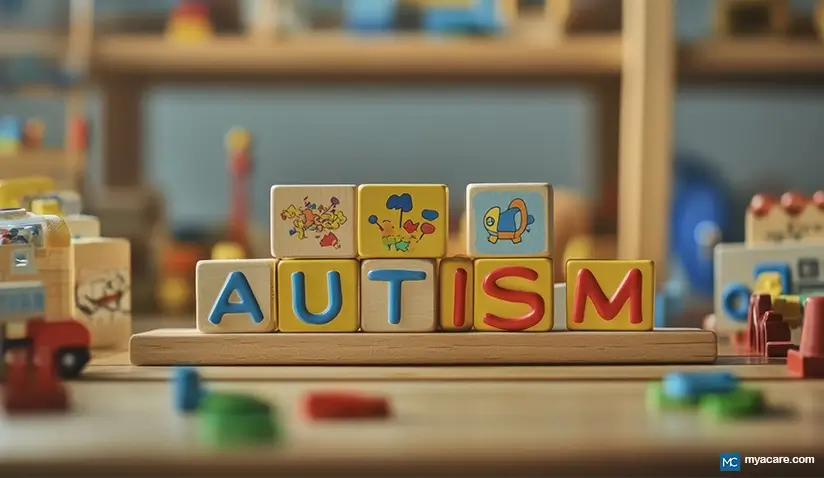
Adult Autism: An Underdiagnosed Condition Hiding in Plain Sight?
Autism extends beyond childhood, with up to 3% of adults potentially affected, many without a formal diagnosis. Autism in adults can be more subtle, making identification dependent on careful evaluation of behavior rather than medical tests. This video explores how autism may present through social and communication challenges, sensory sensitivities, difficulty with relationships, attention differences, and a preference for routine, while emphasizing the importance of awareness and seeking appropriate support for better understanding and care.


Autism is estimated to affect approximately 1-3% of both children and adults globally. However, the actual prevalence of autism in adults might be even higher since many may be unaware of their condition.
Diagnosis of autism in adults can be complex as symptoms may be milder than in children and primarily relies on careful observation and evaluation of behavioral patterns rather than a specific medical or diagnostic test.
Some common symptoms of adult autism include:
- communication skill deficits
- social anxiety
- difficulties in developing or maintaining relationships
- sensory issues
- physical clumsiness
- limited patterns of interest
- the need for predictability
- And, attention and focus issues
If you suspect that you or someone you know may have autism, it is a good idea to seek professional help for a proper diagnosis.
Related Blogs