Understanding Trigeminal Neuralgia: Pain, Triggers, Latest Treatments
Trigeminal neuralgia is a severe neurological condition characterized by sudden, electric shock-like facial pain caused by irritation or compression of the trigeminal nerve. Even routine activities such as eating or brushing teeth can trigger symptoms. This video covers common triggers, first-line medications, minimally invasive procedures like radiofrequency ablation and nerve blocks, as well as surgical options including microvascular decompression and radiosurgery. It also addresses risks, side effects, supportive therapies, and advances that improve patient outcomes.




Trigeminal neuralgia is one of the most painful neurological conditions, affecting the cranial nerve responsible for facial sensations.
The hallmark symptom is sudden, severe, electric shock-like facial pain, triggered by everyday activities such as: Eating, talking, laughing, brushing teeth, shaving, or applying makeup.
While the condition can be significantly disruptive, ongoing advances are paving the way for more effective treatment options.
Treatment often begins with anticonvulsants to reduce nerve excitability. In selective cases, muscle relaxants or antidepressants may be prescribed as adjuncts for pain management.
If medications are ineffective or cause intolerable side effects, minimally invasive procedures may be recommended, including:
- Radiofrequency ablation using heat to selectively damage nerve fibers and block pain signals.
- Glycerol injection or balloon compression, which intentionally injure the nerve to reduce pain transmission.
- or Nerve blocks for short-term relief.
When other treatments fail, surgery may be necessary. Options depend on the underlying cause and may include:
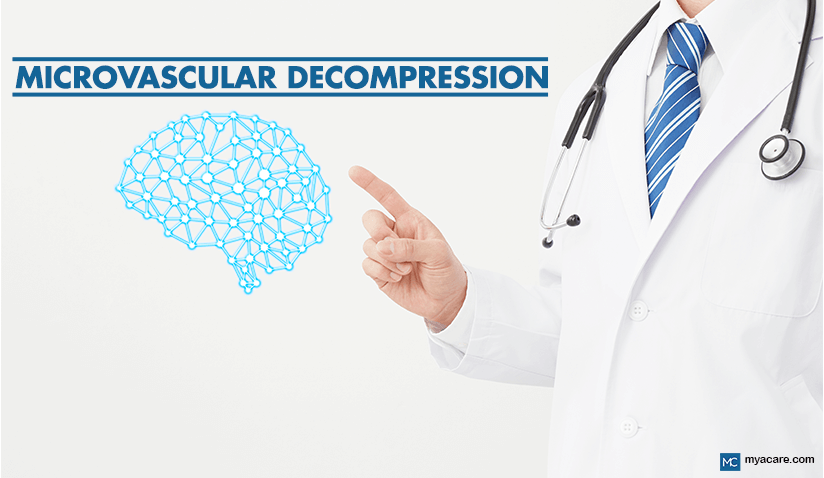
- Microvascular decompression, which relieves nerve compression without damaging the nerve.
- or Stereotactic radiosurgery, such as Gamma Knife or CyberKnife, which delivers precise, focused radiation to the nerve.
These procedures carry potential risks, such as numbness or facial weakness, depending on the technique used. Some patients explore complementary therapies, but these should only be used alongside — and not as a replacement for — medical treatment.
Related Blogs