
The Pros and Cons of Mouth Taping During Workouts
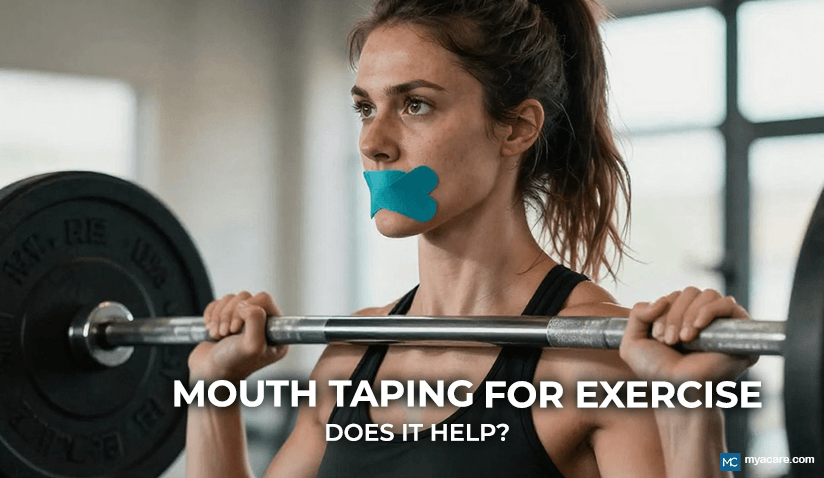
Mouth taping, a practice of placing sticky tape over the mouth, has shifted from a social media fad to an emerging trend in the athletic and wellness community. Originally introduced (and touted by many influencers) as a technique to reduce snoring and promote better sleep quality, it is now being explored for its potential to improve breathing efficiency, endurance, and recovery during exercise. With elite athletes such as tennis ace Iga Świątek and mixed martial artist Brian Ortega training with their mouths taped, curiosity about whether this practice truly benefits performance has grown considerably.
What Is Mouth Taping?
At its core, mouth taping involves sealing the lips with a strip of medical or hypoallergenic tape, encouraging the body to rely on nasal breathing. While it may appear counterintuitive to restrict the mouth (especially during physically demanding activity), the practice is rooted in established respiratory science. Breathing through the nose helps filter, humidify, and regulate airflow and increases endogenous nitric oxide (NO) availability in the upper airways, which plays a role in pulmonary blood flow regulation, especially in the upright position.
Proponents argue that nasal breathing, reinforced by mouth taping, can reduce hyperventilation, stabilize heart rate, improve oxygen uptake, and decrease post-exercise fatigue. Others, however, report feelings of suffocation, anxiety, or difficulty adapting, highlighting the need for individualization and gradual progression. In this context, the present article evaluates the available evidence on the purpose, benefits, and limitations of mouth taping.
Anecdotal Evidence
The popularity of mouth taping during exercise is fuelled not only by theoretical physiology but also by athletes’ experiences and personal trials. Reports from the fitness community are mixed. Some individuals claim that taping helps them control their breathing, improve focus, and reduce post-workout fatigue, while others report discomfort, feelings of suffocation, or even heightened anxiety. This variation suggests that outcomes depend on factors such as training intensity, individual tolerance, and nasal airway health.
For instance, in 2023, journalist Kate Cheng tested mouth taping across several workouts, ranging from strength training to high-intensity cycling. While she found nasal breathing manageable during weightlifting, she struggled during cycling classes, describing the experience as “gasping for air, gaping like a fish” when the intensity rose beyond her ability to maintain nasal breathing. Her conclusion mirrored that of many coaches: mouth taping may be helpful during low-to-moderate intensity exercise, but adaptation is required before attempting it at higher workloads.
Several elite athletes have also experimented with mouth taping during training, noting that the method made workouts feel harder, which was the point; it encouraged their bodies to adapt to oxygen restriction and improved recovery over time.
Such experiences highlight both the promise and limitations of mouth taping: it may train the body to better tolerate carbon dioxide and recover efficiently, but discomfort is a real barrier, particularly for beginners.
The Purpose of Mouth Taping
Mouth taping was first popularized in sleep medicine as a tool to reduce snoring and improve sleep quality. Physically closing the lips forces reliance on nasal breathing, which helps reduce nighttime mouth dryness and promotes nitric oxide release. However, blanket use of mouth taping cannot be considered a solution to improve sleep quality, as there are no high-quality studies reporting its benefits. Rather, mouth taping during sleep can lead to breathing difficulty in people with nasal obstruction.
The intended purpose of mouth taping during exercise is not to restrict airflow but to train the body to favour nasal breathing, which is believed to:
- Improve oxygen efficiency and circulation.
- Increased efficiency of oxygen-carbon dioxide exchange.
- Enhance focus and reduce unnecessary stress responses.
Research comparing nasal, oral, and oronasal breathing during exercise shows important differences. Nasal breathing filters and humidifies inhaled air while also stimulating nitric oxide production, which supports better oxygen uptake and blood vessel dilation. In contrast, oral breathing tends to cause hyperventilation, reduced carbon dioxide tolerance, and increased dehydration. In high-intensity exercise, athletes often revert to mouth or oronasal breathing to meet oxygen demand, but over-reliance on mouth breathing may undermine performance in the long term. In this way, mouth taping represents the crossover of a sleep-enhancing technique into sports science, aiming to make nasal breathing a consistent habit for athletes and recreational exercisers alike.
The Proposed Physiological Benefits
Respiratory Efficiency
Nasal breathing facilitates inhalation of nitric oxide, a gas produced in the paranasal sinuses that acts as a vasodilator, potentially aiding oxygen transfer in the lungs. While oral breathing bypasses nasal NO, the impact of "taping" on overall oxygen utilization during high-intensity exercise is still debated.
Lower Heart Rate and Enhanced Recovery
By slowing the breathing rate, nasal inhalation encourages activation of the parasympathetic nervous system, reducing stress hormones such as cortisol. Research suggests that nasal breathing helps maintain diastolic blood pressure and increases parasympathetic contributions to heart rate variability in young adults. Mouth taping acts as a feedback mechanism, preventing athletes from unconsciously shifting to mouth breathing and thereby preserving cardiovascular efficiency.
Greater Carbon Dioxide Tolerance
Mouth breathing often leads to hyperventilation, which decreases CO₂ levels too quickly and can cause dizziness or fatigue. Nasal breathing maintains higher CO₂, which improves oxygen release from hemoglobin (Bohr effect). According to Wooten and his colleagues, the ability to tolerate higher CO₂ improves aerobic efficiency and delays the onset of breathlessness. Mouth taping forces the body to practice this adaptation, which, over time, may extend stamina.
Reduced Dehydration and Dry Mouth
Air entering through the nose is naturally filtered, humidified, and warmed, whereas oral breathing dries out the mouth and throat. Research suggests that athletes relying on nasal breathing report less dehydration during prolonged training sessions. By keeping the lips sealed, taping prevents unnecessary water loss, which is especially beneficial in endurance sports.
Enhanced Focus and Stability
Diaphragmatic breathing through the nose engages core muscles, improving posture and stability during movement. This can reduce fatigue in accessory respiratory muscles, such as the chest and shoulders. A physiology report noted that nasal breathing enhances concentration and stability by encouraging diaphragmatic recruitment. Taping ensures this breathing pattern remains consistent, particularly in moments of high exertion.
Possible Immune and Digestive Support
Though less studied in athletes, nasal breathing reduces airway irritation and may lower the risk of upper respiratory infections. Additionally, reduced stress responses from controlled breathing support digestive function. These indirect benefits contribute to overall health and resilience.
Limitations and Criticisms - When to Avoid Mouth Taping
Lack of Robust Clinical Evidence
While anecdotal reports and small pilot studies suggest benefits, there is still limited peer-reviewed research specifically examining mouth taping during exercise. Most evidence stems from research on nasal versus oral breathing rather than taping itself. The evidence base for nasal breathing in exercise is still emerging and lacks randomized controlled trials with large populations. Without controlled trials, claims about enhanced endurance or performance remain theoretical rather than conclusively proven.
Risk of Airway Obstruction and Discomfort
Mouth taping may pose risks, particularly in high-intensity workouts where oxygen demands increase. Athletes unaccustomed to nasal breathing may experience dizziness, shortness of breath, or panic. Also, mouth taping can be unsafe for individuals with obstructed nasal passages or underlying breathing problems. Improper use can cause irritation, skin damage, or, in rare cases, breathing emergencies.
Individuals with Respiratory Conditions
People with asthma, frequent allergies, nasal congestion, upper respiratory infections, chronic obstructive pulmonary disease (COPD), or other pulmonary disorders should be particularly cautious. Exercise increases oxygen demand and restricting oral airflow may trigger shortness of breath, wheezing, or even asthma attacks. Athletes with pre-existing respiratory illness should not tape their mouths without medical clearance.
Those Prone to Anxiety or Claustrophobia
For some, taping the mouth shut can trigger feelings of suffocation or panic. Individuals with generalized anxiety, panic disorder, or claustrophobia may find the practice psychologically distressing, leading to poor compliance or abrupt discontinuation.
Children
Mouth taping is not recommended for children, unless under the supervision of a paediatric specialist. Their smaller airways and developing respiratory systems make them more vulnerable to obstruction.
Tips for Safe Practice
Test Nasal Patency First
Before taping, ensure both nostrils are clear. Try breathing exclusively through the nose at rest for at least 2–3 minutes without difficulty. If congestion or obstruction is present, postpone taping.
Choose the Right Tape
Always use medical-grade or hypoallergenic tape, such as micropore surgical tape or specialized mouth tape strips. These products are formulated for skin contact, helping reduce irritation and lower the risk of allergic reactions. Non-medical adhesives like duct tape and packing tape can damage skin and cause irritation. Mouth taping should only be attempted with a safe and medical-grade product.
Start Small
Try mouth taping while at rest, such as during reading, meditation, or walking. Gradually progress to light exercise like yoga, stretching, and brisk walking before attempting higher-intensity training.
Partial Taping Option
Beginners may place a small vertical strip of tape across the centre of the lips rather than sealing the entire mouth. This allows airflow escape if needed while still encouraging nasal breathing.
Monitor for Warning Signs
If dizziness, chest tightness, or overwhelming anxiety occurs, remove the tape immediately. Keep scissors or an easy peel technique ready for quick removal.
Hydration and Skin Care
Apply tape to dry lips and remove gently to prevent skin irritation. A mild moisturizer can reduce chafing if used frequently.
Alternatives to Mouth Taping
Mouth Masking
Instead of tape, lightweight masks restrict mouth breathing slightly, promoting nasal airflow. These may feel less claustrophobic and allow more flexibility.
Nasal Strips and Dilators
Adhesive nasal strips or internal dilators mechanically open nasal passages, reducing resistance. Research suggests that external nasal dilators can improve exercise performance by decreasing nasal airflow resistance.
Chin Straps and Jaw-Closure Devices
Originally designed for sleep apnea, these keep the mouth closed passively. While bulkier than tape, they may be safer for some populations.
Intra-Oral Appliances
Dental devices can reposition the jaw and tongue to encourage nasal breathing, especially in individuals with structural oral issues.
Breathing Exercises (e.g., Buteyko Method)
The Buteyko technique trains the body to tolerate higher carbon dioxide levels and reduce over-breathing. Consistent practice can help restore functional nasal breathing without the need for external devices.
Pursed-Lip Breathing
Widely recommended in pulmonary rehabilitation, the technique involves inhaling through the nose and releasing the breath slowly through pursed lips. It reduces breathlessness and encourages slower, more efficient breathing.
Addressing Underlying Barriers
Chronic allergies, a deviated septum, or sinus infections often delay nasal breathing. Resolving these conditions through medical treatment or lifestyle changes, such as using a humidifier, saline rinses, and allergy management, is a more sustainable solution than compensating with tape.
Conclusion
To summarize, while mouth taping may offer some intriguing possibilities for regulating breathing and enhancing performance, it remains a personalized choice rather than a universal solution. With careful consideration, professional oversight, and awareness of its limitations, athletes can explore this practice responsibly within their broader training and recovery strategies. Also, mouth taping during exercise represents an emerging self-regulation tool that has attracted interest among wellness enthusiasts. However, despite growing anecdotal enthusiasm, scientific evidence for mouth taping during training remains limited, and its effects are far from universally applicable. Caution is particularly important because this practice is not suited for all athletes. Individuals with nasal obstruction, respiratory conditions, or anxiety may find it uncomfortable or even unsafe. Also, mouth taping should never be attempted without ensuring clear nasal airflow and professional guidance. Even healthy individuals should begin gradually, using medical-grade tape and testing the method first at rest before advancing to training sessions.
Ultimately, mouth taping should not be seen as a quick fix or substitute for addressing underlying issues such as allergies, sinus conditions, or poor breathing habits. It could serve as a supportive strategy when used along with nasal dilators, pursed-lip breathing, or structured methods such as the Buteyko technique. For athletes interested in experimenting, the best course of action is to consult a sports physiologist, breathing coach, or ENT specialist. These professionals can assess individual suitability, monitor adaptation, and ensure that any practice is both safe and effective.
To search for the best doctors and healthcare providers worldwide, please use the Mya Care search engine.

Dr. Shilpy Bhandari is an experienced dental surgeon, with specialization in periodontics and implantology. She received her graduate and postgraduate education from Rajiv Gandhi University of Health Sciences in India. Besides her private practice, she enjoys writing on medical topics. She is also interested in evidence-based academic writing and has published several articles in international journals.
References:
Featured Blogs

Medically Induced Coma: What It Is, How It Works, Who Benefits, and Recovery Outcomes