
Brain Radiation Therapy: Potential Long-Term Effects and Recovery
Medically Reviewed by Dr. Sony Sherpa, (MBBS) - September 25, 2026
Fact Checked and Edited by Dr. Rae Osborn, Ph.D. - September 25, 2026
Cognitive & Neurological Effects
Emotional & Psychological Effects
Key Takeaways
- Brain radiation therapy is used to manage primary brain tumors and metastases, but it can also affect healthy brain tissue, potentially causing long-term effects. Long-term effects may appear months or years after treatment, affecting cognition, mood, hormone balance, and physical functioning.
- Cognitive changes include memory problems, slower processing, and impaired executive function, while physical effects may include chronic fatigue, vision or hearing changes, and hormonal imbalances.
- Risk factors include age, radiation dose, treatment volume, and coexisting health conditions; children and the elderly are especially vulnerable.
- Advances in precision techniques, such as IMRT and proton therapy, aim to reduce long-term risks by limiting radiation exposure to healthy brain tissue.
Introduction
Primary brain tumors are relatively uncommon, with a prevalence of about 26 cases per 100,000 people over five years. Following a brain tumor diagnosis, it can be helpful to understand the potential effects of radiation treatment.
Brain radiation therapy plays an important role in managing many primary brain tumors and cancers that have spread to the brain. By damaging the DNA of cancer cells, radiation therapy can slow or stop tumor growth, relieve neurological symptoms, and, in some cases, extend survival. Advances in technology have allowed radiation to be delivered with increasing precision, reducing exposure to healthy tissue compared with earlier techniques.
Despite these improvements, the brain remains a highly complex and sensitive organ. Some effects of radiation therapy may not become apparent until months or even years after treatment has finished. But only some people develop long-term complications of brain radiotherapy. If they occur, these long-term effects can influence cognitive abilities, emotional regulation, physical health, and hormonal balance.
For patients and caregivers, understanding these potential long-term effects allows earlier recognition of changes, better communication with healthcare providers, and timely intervention. For clinicians, it supports balanced decision-making that considers not only tumor control, but also long-term quality of life. Survivorship care after brain radiation therapy therefore extends well beyond the end of treatment and often continues for life.
What Is Brain Radiation Therapy?
Brain radiation therapy uses high-energy radiation to damage the genetic material of cancer cells, disrupting their ability to divide and survive. While healthy brain cells can also be affected, they are generally more capable of repairing radiation damage than tumor cells because healthy cells divide at a slower rate. This difference allows radiation to be effective, though it does not eliminate the risk of injury to normal tissue; this does not mean healthy tissue will be irreparably damaged. Side effects are often reversible over time.
How radiation therapy works
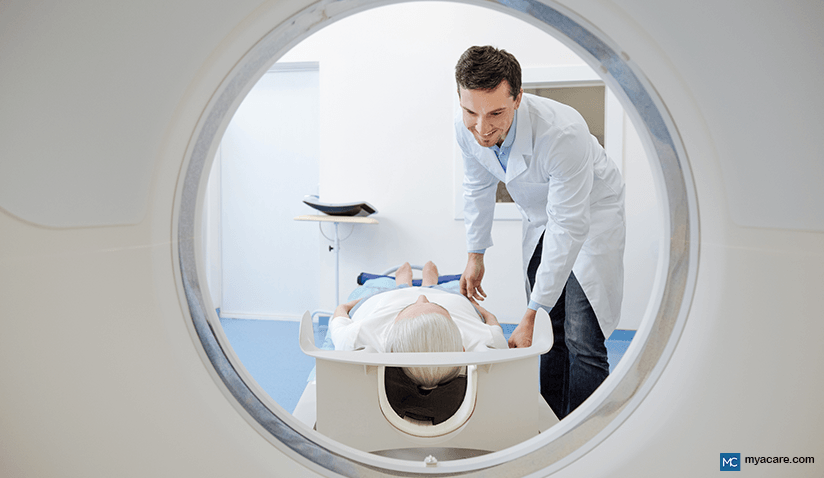
Before treatment begins, detailed imaging using MRI or CT scans maps the tumor and surrounding brain structures. Treatment plans are precisely tailored to deliver the necessary radiation dose while minimizing exposure to nearby healthy tissues. Treatment is most often given in multiple small doses, known as fractions, over several weeks. Fractionation allows normal cells time to recover between sessions while maximizing cumulative damage to cancer cells.
What Are the Conditions It Is Used for?
Brain radiation therapy is used to treat a wide range of conditions. These include primary brain tumors, such as gliomas, meningiomas, medulloblastomas, and ependymomas. Also, it is frequently used to treat brain metastases, where cancer has spread from organs such as the lung, breast, or skin. Radiation may be used as the main treatment, after surgery to reduce recurrence risk, or for symptom control.
Whole-Brain vs. Targeted Radiation
Whole-brain radiation therapy treats the entire brain and may be used when there are multiple metastases or microscopic disease throughout the brain. While it can be effective, it carries a higher risk of cognitive decline. However, research found that 76% of patients with cognitive decline showed improvement 12 months post-treatment. Full cognitive recovery was more likely among those who received conformal (targeted) radiation than with whole-brain radiation.
Targeted radiation techniques, including stereotactic radiosurgery (SRS) and intensity-modulated radiation therapy (IMRT), focus on specific tumors or limited areas. These approaches aim to preserve healthy tissue. Stereotactic radiosurgery is associated with fewer long-term radiation side effects compared with whole-brain radiotherapy (WBRT). Intensity-modulated radiation therapy has the benefits of better dose conformity, lower toxicity, and precision (allowing sensitive structures to be protected).
The Latent Period
When they do occur, radiation effects are often described in phases:
- Acute effects typically occur during treatment or shortly after treatment and may include nausea and headache and are usually reversible.
- Early-delayed (Subacute) effects develop weeks to months later and may include fatigue, somnolence syndrome, or temporary cognitive slowing.
- Late-delayed effects emerge months to years later and may include cognitive decline, hormonal dysfunction, radiation necrosis, or vascular injury. These late effects are often permanent.
Short-Term Effects
Most patients do not experience significant acute side effects after stereotactic brain radiotherapy. In a 2023 study, immediate toxicities only occurred in 3.6% of treatment sessions.
In patients who experience short-term or acute effects, these usually occur during treatment or within a few weeks to less than 90 days afterward. Common symptoms include fatigue, headaches, nausea, scalp irritation, and hair loss in treated areas. Skin issues include sensitivity, redness, inflammation, and itching. Mucositis and temporary worsening of neurological symptoms are also short-term side effects of brain radiation therapy. These effects generally improve within weeks to months after radiation therapy, although post-radiation fatigue may persist longer.
Long-Term Effects
Not every person who has brain radiation therapy will have significant long-term side effects. However, it is important to be aware of the potential effects, even though they are uncommon with stereotactic radiation therapy.
Radiation can sometimes injure small blood vessels, disrupt the blood–brain barrier, and impair supporting cells that maintain nerve insulation and communication. It can also trigger chronic inflammation and glial scarring.
Factors Influencing Risk of Effects
Risk depends on radiation dose, treatment volume, technique used, age at treatment, and overall health. Children and older adults are more vulnerable to side effects. Chemotherapy, prior surgery, and pre-existing neurological conditions can increase susceptibility to effects. Genetic differences in radiation sensitivity also play a role.
Cognitive and Neurological Effects
Cognitive and neurological changes are among the most significant long-term consequences of brain radiation therapy. These changes vary in severity and pattern depending on the brain regions treated and individual risk factors. Patients who received stereotactic radiosurgery showed 31% less cognitive decline at 6 months. Some neurological side effects of brain radiation therapy can improve over time.
Memory and Attention Difficulties
The neurogenesis of the hippocampus, a part of the brain responsible for memory, may be adversely affected by radiation therapy. Short-term and long-term memory can be affected. In some cases, short-term verbal memory can be affected more than long-term memory. Survivors may struggle to recall recent conversations, appointments, or information they have just read. Attention and concentration can also be impaired, particularly during complex or prolonged tasks. These cognitive difficulties, often described by survivors as brain fog, can interfere with work, learning, and social interaction. However, patients can recover with time.
Slowed Thinking and Processing Speed
Some individuals notice that their thinking is slower than it was before treatment. Processing information, responding to questions, or learning new skills may take longer. This slowing can be subtle and is a hallmark of radiation-induced cognitive decline, which refers to progressive cognitive changes associated with radiation exposure.
Executive Function Changes
Executive functions include planning, organization, problem-solving, and emotional regulation. Damage to frontal brain networks can lead to difficulty managing time, adapting to change, or making complex decisions. Some individuals experience reduced mental flexibility and, if the orbitofrontal cortex is damaged, they can experience increased impulsivity. Damage to the brain because of radiation treatment can be temporary in some cases.
Seizures and Balance Problems
Radiation can sometimes increase seizure risk, particularly in those with residual tumor, scarring, radiation necrosis, vascular damage, and brain swelling. Seizures after radiation therapy are quite rare, occurring in only 1.7% of patients treated with SRS. Balance and coordination issues may occur if cerebellar pathways are affected, increasing fall risk and reducing independence. Dizziness leading to balance problems can also occur if the inner ear is affected by the radiation.
Emotional and Psychological Effects
Emotional and psychological changes may arise from direct radiation effects on the brain as well as from the psychological burden of cancer survivorship.
Mood Changes
Anxiety, depression, and mood changes, such as irritability, are common. These may fluctuate or persist and can be influenced by uncertainty, health concerns, and reduced independence. Depression and anxiety disorders may require formal assessment and treatment.
Personality and Behavior Changes
Some survivors experience changes in behavior or personality, including apathy and reduced motivation.
Emotional Regulation and Adjustment
Radiotherapy affects emotional regulation. Adjusting to long-term limitations often requires ongoing psychological support.
Impact on Independence
Emotional and cognitive changes can limit independence even when physical abilities remain intact. Managing finances, employment, and social roles may become more challenging, increasing reliance on caregivers. Research into medications that can help manage neuropsychiatric consequences of brain irradiation is ongoing.
Physical and Sensory Changes
Chronic Fatigue
Chronic fatigue is a disabling long-term effect. Fatigue after brain radiotherapy can be multifactorial. It can potentially involve treatment-related brain injury, hormonal changes, sleep disturbances, emotional stress, and the increased effort required for cognitive tasks. Long-term fatigue can affect quality of life. As many as 70% to 80% of patients who experience fatigue after brain radiation do improve. So in many cases, chronic fatigue is not permanent.
Headaches
Persistent or recurrent headaches may occur due to inflammation, scarring, vascular changes, or radiation necrosis, but not all patients have these effects. Headaches are one of the symptoms of brain swelling from radiation. New or worsening headaches require medical evaluation.
Vision and Hearing Changes
Radiation near the optic pathways or auditory structures may cause blurred vision, visual field loss, hearing impairment, or tinnitus. Some may spontaneously recover their vision, and hearing can be restored with cochlear implants or hearing aids. Visual and auditory radiation therapy side effects often develop gradually and can affect safety and communication.
Hormonal Imbalances
Damage to the hypothalamic–pituitary axis from radiation may lead to endocrine dysfunction. Growth hormone deficiency is common and contributes to fatigue, reduced muscle mass, and altered body composition. Thyroid dysfunction after head radiation may cause weight changes, cold intolerance, and mood symptoms. Disruption of reproductive hormones can lead to fertility issues, menstrual changes, reduced libido, and in children, early or delayed puberty. Lifelong hormonal monitoring is essential since changes can happen over several years, but hormone replacement therapy can be administered to manage hormonal imbalances.
Vascular and Structural Brain Changes
Radiation can lead to long-term injury of white matter and blood vessels, but there is a lot of variation, and not all patients have these effects. Targeted brain radiation therapies like proton therapy help decrease the chances of vascular and structural brain injuries.
Radiation-Induced Leukoencephalopathy
Damage to white matter pathways may result in cognitive slowing, gait instability, urinary symptoms, and reduced coordination. But early changes to the neural tissue can improve. Imaging typically shows diffuse white matter changes and is associated with late-delayed radiation leukoencephalopathy.
Vascular Injury and Stroke Risk
Radiation-induced vasculopathy increases the risk of transient ischemic attacks and stroke. Among long-term survivors of primary brain tumors who received radiation therapy, intracranial arterial stenosis was found in 24% of patients assessed by MRI angiography, while stroke occurred in 36%. Structural abnormalities such as cavernomas, angiomatous malformations, and aneurysms may develop years after treatment. Intracerebral cavernomas are rare, though, with a cumulative incidence of about 7% at 20 years after treatment.
Radiation Necrosis vs. Tumor Recurrence
Radiation necrosis can closely mimic tumor regrowth on MRI. Advanced imaging techniques such as PET scans and MR spectroscopy help distinguish metabolic activity from structural damage. Radiation necrosis is an uncommon complication in stereotactic radiosurgery, occurring in less than 8% of patients.
Pseudoprogression
Pseudoprogression refers to a temporary imaging change where a tumor appears larger or more concerning on scans, even though the disease is not actually progressing. This occurs when treatment triggers inflammation, swelling, or an influx of immune cells, causing the area to look worse before improving. Although alarming, pseudoprogression often stabilizes without additional therapy.
SMART Syndrome
Stroke-like migraine attacks after radiation therapy are rare but can cause headaches, seizures, and transient neurological deficits. Symptoms are usually reversible.
Secondary Cancers
Radiation-induced secondary neoplasms, including tumors, are rare but recognized late risks, particularly in those treated at a young age. These may arise decades after treatment.
Despite this, the benefits of brain radiation therapy in controlling life-threatening disease may outweigh this risk. Physicians need to weigh the risks versus benefits of this treatment for their patient’s situation. Lifelong follow-up allows early detection and management of late complications. Radiation-induced cancers are uncommon, with reported 30-year cumulative risks of secondary malignancies after brain radiation in adults ranging from 2.7% to 8.5%, though radiation alone may not account for this risk.
Effects in Children vs. Adults
Children are particularly vulnerable to the side effects of radiation therapy because their brains are still maturing.
Developmental Vulnerability
Radiation can disrupt neural development, leading to greater long-term cognitive and emotional effects than those seen in adults, but this depends on the radiation method, dose, and the brain region affected.
Learning and Developmental Effects
Children may experience declines in IQ, attention, processing speed, and academic performance. Developmental delays and somnolence syndrome, marked by sleepiness, can occur in pediatric patients and are usually temporary. Negative cognitive effects were less common in children receiving focal proton radiotherapy than those who had photon RT (XRT).
Moyamoya Syndrome
Progressive narrowing of cerebral vessels may occur in children after radiation, increasing stroke risk. However, Moyamoya syndrome is rare, occurring in about 2 to 4% of patients. Long-term vascular monitoring can rule out moyamoya and other vascular effects.
Managing and Reducing Long-Term Effects
Cognitive rehabilitation can improve function, such as memory, and coping strategies. Psychological therapy supports emotional adjustment. Medications may be used for seizures, mood disorders, radiation necrosis, and hormone replacement therapy for hormonal deficiencies.
A multidisciplinary team approach is essential and should include oncology, neurology, endocrinology, rehabilitation, and mental health specialists. Lifestyle strategies such as regular activity, structured routines, good sleep hygiene, and social support help manage the side effects of radiation.
Advances That Reduce Long-Term Risks
Modern techniques aim to spare healthy brain tissue. Stereotactic radiosurgery and IMRT allow precise dose delivery, which greatly reduces adverse effects. Proton therapy reduces radiation beyond the tumor, benefiting children and tumors near critical structures. Hippocampal-sparing techniques may help preserve memory. Research into neuroprotective medications continues to improve long-term outcomes. More research is needed on using proton therapy, medications, and cognitive remediation to reduce long-term damage from radiation therapy methods like radiosurgery.
Conclusion
Modern targeted radiation therapies such as IMRT and proton therapy help reduce the risk of side effects during treatment for brain tumors. These approaches have lowered the number of patients who experience acute and long-term treatment effects. When adverse effects do occur, medications, cognitive therapy, and psychological support may help manage symptoms and support recovery.
Frequently Asked Questions
Does radiation therapy make you lose hair?
Radiation therapy can cause hair loss in the area receiving radiation. After brain radiation, hair usually begins to grow back within a few months, although higher radiation doses can sometimes result in thinner hair or incomplete regrowth in the treated area.
Why does radiation treatment cause fatigue?
The exact reason radiation therapy causes fatigue is not fully understood. Fatigue often increases during treatment, may peak toward the end, and generally improves over the following weeks. Radiation can also contribute to fatigue by damaging some healthy cells along with cancer cells, potentially impairing mitochondrial function and reducing the cells’ ability to produce energy. The stress of illness and daily treatment visits may further worsen tiredness.
How are delayed effects different from short-term effects?
Delayed effects differ from short-term effects in their causes and timing. Short-term effects are typically driven by temporary inflammation and swelling and often improve as swelling resolves. Long-term or delayed effects are related to cumulative tissue damage, vascular injury, and structural changes in the brain. Symptoms may appear long after treatment has ended, sometimes progressing gradually.
To search for the best Cancer/Oncology healthcare providers in Azerbaijan, Germany, Hungary, India, Malaysia, Singapore, Spain, Thailand, Turkey, the UAE, the UK and the USA, please use the Mya Care search engine.
To search for the best doctors and healthcare providers worldwide, please use the Mya Care search engine.
The Mya Care Editorial Team comprises medical doctors and qualified professionals with a background in healthcare, dedicated to delivering trustworthy, evidence-based health content.
Our team draws on authoritative sources, including systematic reviews published in top-tier medical journals, the latest academic and professional books by renowned experts, and official guidelines from authoritative global health organizations. This rigorous process ensures every article reflects current medical standards and is regularly updated to include the latest healthcare insights.

Dr. Sony Sherpa completed her MBBS at Guangzhou Medical University, China. She is a resident doctor, researcher, and medical writer who believes in the importance of accessible, quality healthcare for everyone. Her work in the healthcare field is focused on improving the well-being of individuals and communities, ensuring they receive the necessary care and support for a healthy and fulfilling life.

Dr. Rae Osborn has a Ph.D. in Biology from the University of Texas at Arlington. She was a tenured Associate Professor of Biology at Northwestern State University, where she taught many courses to Pre-nursing and Pre-medical students. She has written extensively on medical conditions and healthy lifestyle topics, including nutrition. She is from South Africa but lived and taught in the United States for 18 years.
References:
Featured Blogs

Medically Induced Coma: What It Is, How It Works & Recovery