
Sjögren’s Syndrome: Symptoms, Risks, and Management
Medically Reviewed by Dr. Sony Sherpa, (MBBS) - August 29, 2025
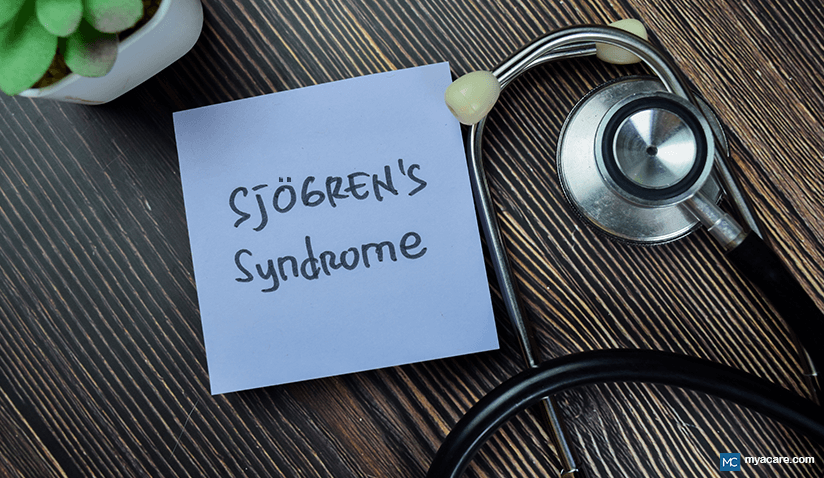
Sjögren’s syndrome is a chronic autoimmune disorder that often affects moisture-producing glands, such as the eyes and mouth.
While not a rare condition, Sjögren’s syndrome is often misunderstood and misdiagnosed. Its symptoms, such as dry eyes, dry mouth, fatigue, and joint pain, can mimic those of other conditions, leading to delays in diagnosis and treatment. Many individuals endure symptoms for years before receiving a proper diagnosis, which can be frustrating and emotionally draining.
Sjögren’s can significantly impact quality of life. Chronic pain, sleep disturbances, and difficulties with speaking, chewing, or swallowing can interfere with daily activities, work performance, and social interactions.
What Is Sjögren’s Syndrome?
In Sjögren’s syndrome, the body’s immune system mistakenly attacks the moisture-producing glands, especially the salivary and lacrimal glands, leading to persistent dryness in the mouth and eyes. This condition affects about 0.5%–1% of people. While it can develop at any age, it most often affects women over 40 and is commonly linked to other autoimmune diseases.
There are two types of Sjögren’s syndrome:
- Primary Sjögren’s syndrome: Occurs on its own, without the presence of another autoimmune condition.
- Secondary Sjögren’s syndrome: Presents in combination with another autoimmune disorder, including rheumatoid arthritis, systemic lupus erythematosus (SLE), or scleroderma.
Causes and Risk Factors
While the exact cause is unknown, Sjögren’s syndrome is believed to develop through a complex interplay of genetic predisposition, environmental triggers, and hormonal factors that disrupt normal immune function.
Contributing Factors
- Genetic Predisposition: People carrying specific genetic markers, particularly within the HLA (human leukocyte antigen) gene region, may have an increased likelihood of developing autoimmune conditions such as Sjögren’s.
- Environmental Triggers: Viral or bacterial infections are suspected to initiate the autoimmune response in genetically susceptible individuals. Epstein-Barr virus (EBV), hepatitis C, and human T-cell leukemia virus (HTLV) have all been explored as potential triggers.
- Hormonal Influences: The condition disproportionately affects women, especially those in midlife, suggesting a potential link between female hormones, particularly estrogen, and immune system activity.
Risk Factors
- Gender: Women account for nearly 90% of cases, indicating a strong gender bias in disease development.
- Age: While Sjögren’s can occur at any age, it most commonly develops in people aged 40 to 60 years.
- Family History: A family history of autoimmune diseases may increase susceptibility, though the condition itself is not directly inherited.
- Co-existing Autoimmune Conditions: People with other autoimmune disorders such as rheumatoid arthritis, systemic lupus erythematosus (SLE), psoriasis, or Raynaud’s phenomenon are at higher risk of developing secondary Sjögren’s syndrome.
Sjögren’s Syndrome Symptoms
Sjögren’s syndrome symptoms can range from mild to debilitating and often extend beyond dryness alone. While classic sicca symptoms are hallmark indicators, many patients also experience systemic (extraglandular) manifestations, especially in the later stages.
Classic Sicca Symptoms
The most recognizable symptoms of Sjögren’s are related to the dysfunction of moisture-producing glands:
- Dry Eyes (keratoconjunctivitis sicca): A gritty or burning sensation, light sensitivity, redness, and even blurred vision.
- Dry Mouth (xerostomia): Difficulty swallowing dry foods, increased dental cavities, oral thrush, and changes in taste or speech.
- Dry Skin, Nose, and Throat: Leading to frequent nosebleeds, hoarseness, and persistent cough.
- Parotid Gland Swelling: Painless or recurrent swelling of the salivary glands, particularly in the cheeks (often mistaken for other causes of facial puffiness, leading some to search terms such as “Sjögren’s syndrome face”).
- Vaginal Dryness: A common but often under-discussed symptom in women with Sjögren’s, caused by reduced moisture in the mucous membranes of the vulva and vagina. It may lead to pain during intercourse (dyspareunia), irritation, recurrent vaginal infections, and decreased quality of life.
Systemic (Extraglandular) Symptoms
Sjögren’s is not limited to glandular symptoms. It can affect virtually any organ system, leading to complications known as extraglandular manifestations, which are present in up to 50% of patients.
- Joint and Muscle Pain: Similar to rheumatoid arthritis, many individuals experience arthralgia, morning stiffness, or mild arthritis.
- Fatigue: One of the most disabling symptoms and often the earliest warning sign of Sjögren’s syndrome.
- Neurological Symptoms: These may include peripheral neuropathy, restless legs, memory disturbances, and, in rare cases, cognitive dysfunction.
- Skin Rashes and Vasculitis: Red or purple spots on the legs, sensitivity to sunlight, and inflammation of small blood vessels.
- Weight Changes: Unintentional weight loss may occur due to chronic inflammation or gastrointestinal involvement.
- Muscle Wasting: Although rare, muscle wasting in Sjögren’s syndrome may occur in advanced disease due to malnutrition, chronic inflammation, or overlapping autoimmune muscle disorders.
Complications of Sjögren’s Syndrome
If left untreated or poorly managed, Sjögren’s syndrome can lead to a range of complications that extend beyond dryness and fatigue. These complications may involve the eyes, mouth, nervous system, and even increase the risk of certain cancers.
Dental Decay and Oral Infections
Reduced saliva production creates a dry environment in the mouth, impairing the natural defense against bacteria. This significantly increases the risk of:
- Tooth decay and cavities
- Gum disease
- Oral thrush (a fungal infection)
Saliva also helps with digestion and taste, so its absence can impact overall nutrition and appetite.
Eye Infections and Damage
Chronic dry eyes can lead to:
- Recurring eye infections
- Corneal abrasions or ulcers
- Blurred vision
If left untreated, these issues can cause long-term damage to the surface of the eyes and even vision loss in severe cases.
Neurological Symptoms
Sjögren’s can affect the central and peripheral nervous systems, leading to complications such as:
- Peripheral neuropathy (numbness, tingling, burning sensations in limbs)
- Cognitive issues (“brain fog”)
- Restless legs syndrome
In some cases, nerve involvement may mimic multiple sclerosis or other neurologic disorders, complicating diagnosis.
Increased Risk of Lymphoma
One of the most serious complications is a significantly elevated risk of non-Hodgkin’s lymphoma, especially mucosa-associated lymphoid tissue (MALT) lymphoma. About 5% - 10% of patients with primary Sjögren’s may develop lymphoma over time. Warning signs include:
- Persistent gland swelling
- Unexplained weight loss
- Night sweats or enlarged lymph nodes
Organ Involvement
Sjögren’s can affect several internal organs, including:
- Lungs - causing chronic dry cough, bronchitis, or interstitial lung disease
- Kidneys - leading to interstitial nephritis or kidney dysfunction
- Liver - associated with autoimmune hepatitis or primary biliary cholangitis
- Skin - through vasculitis or chronic rashes
Diagnosis of Sjögren’s Syndrome
Diagnosing Sjögren’s syndrome can be challenging due to its overlapping symptoms with other autoimmune and systemic diseases.
Medical History & Physical Examination
The diagnostic process typically begins with a detailed discussion of symptoms such as dry eyes, fatigue, joint pain, and swelling. A physical exam may reveal:
- Dryness of the oral mucosa
- Salivary gland swelling
- Signs of dental decay or oral thrush
- Eye redness or corneal abnormalities
Clinicians will also assess for systemic symptoms and rule out signs pointing to other connective tissue diseases.
Diagnostic Tests
Blood tests
Several blood markers are associated with Sjögren’s:
- Antinuclear antibodies (ANA)
- Anti-La/SSB antibodies (highly specific for Sjögren’s Syndrome) and Anti-Ro/SSA antibodies
- Rheumatoid factor (RF)
- Elevated ESR or CRP (indicating inflammation)
- Low C3 and C4 complement levels can occur in some patients
Eye tests
- Schirmer’s test: Measures tear production using a paper strip under the eyelid.
- Lissamine green and fluorescein staining: Detects damage to the eye’s surface due to dryness.
Salivary gland function tests
- Sialometry: Measures the amount of saliva produced.
- Salivary gland scintigraphy or ultrasound: Evaluates the function and structure of the glands.
Diagnostic Criteria
The American-European Consensus Group and the 2016 ACR/EULAR classification criteria are widely used for standardizing diagnosis. The ACR/EULAR system assigns weighted scores based on objective tests, such as:
- Positive anti-SSA/Ro antibodies
- Labial salivary gland biopsy with focal lymphocytic sialadenitis
- Ocular staining score ≥ 5
- Schirmer’s test ≤ 5 mm/5 minutes in at least one eye
- Unstimulated whole saliva flow rate ≤ 0.1 mL/min
A total score greater than or equal to 4 is considered diagnostic of Primary Sjögren’s Syndrome.
To qualify, patients must further meet the following criteria:
- At least one symptom of eye or oral dryness
- Absence of exclusion criteria
Exclusion criteria
Patients with any of the following are excluded:
- History of head or neck radiation treatment
- Active hepatitis C infection (confirmed by polymerase chain reaction)
- Advanced HIV infection
- Sarcoidosis
- Amyloidosis
- Graft-versus-host disease
- IgG4-related disease
Ruling Out Other Conditions
Since symptoms of Sjögren’s can mimic many other disorders, differential diagnosis is critical. Conditions that must be ruled out include:
- Systemic Lupus Erythematosus (SLE): Both SLE and Sjögren’s can present with fatigue, joint pain, and positive autoantibodies such as Anti-Ro/SSA. However, SLE more commonly causes systemic manifestations such as kidney involvement, characteristic malar rash, and hematological abnormalities.
- Fibromyalgia: Patients with fibromyalgia often report chronic widespread pain, fatigue, and “brain fog,” which can overlap with the fatigue and musculoskeletal complaints seen in Sjögren’s. Unlike Sjögren’s, fibromyalgia does not cause true glandular dysfunction, and sicca symptoms are usually absent.
- Systemic Sclerosis: This autoimmune disease may share symptoms, such as fatigue, Raynaud’s phenomenon, and skin changes. However, systemic sclerosis is marked by skin thickening, digital ulcers, and significant organ fibrosis (lungs, GI tract) rather than isolated dryness.
- Sarcoidosis: Sarcoidosis can affect the salivary glands and lungs, leading to gland swelling and dryness that mimic Sjögren’s. Distinguishing features include non-caseating granulomas (i.e., those not containing dead cells) on biopsy, lung nodules, and possibly elevated serum angiotensin-converting enzyme (ACE) levels.
- IgG4-Related Disease: This condition can cause salivary gland swelling and dry mouth similar to Sjögren’s. However, patients typically have elevated serum IgG4 levels, multi-organ enlargement or fibrosis, and lack the classic autoantibody profile seen in Sjögren’s.
- Chronic Fatigue Syndrome (CFS/ME): Profound fatigue, sleep disturbances, and cognitive dysfunction overlap with Sjögren’s. The key difference is that CFS/ME lacks objective evidence of glandular dysfunction (dry eyes, dry mouth) and autoimmune markers.
- Polymyositis/Dermatomyositis: These inflammatory muscle diseases share features, including fatigue, joint pain, and systemic involvement. However, their hallmark is progressive muscle weakness (proximal muscles) and, in dermatomyositis, skin rashes such as heliotrope rash or Gottron’s papules.
- Mixed Connective Tissue Disease (MCTD): MCTD may present with overlapping features of lupus, systemic sclerosis, and myositis. Patients often have Raynaud’s, arthritis, and muscle weakness, but diagnosis is supported by high titers of anti-U1 RNP antibodies, not the Anti-Ro/SSA or Anti-La/SSB typically seen in Sjögren’s.
Sjögren’s Syndrome Treatments
While there is no cure for Sjögren’s syndrome, a combination of medical management, lifestyle changes, and supportive therapies can help relieve symptoms and prevent complications. Treatment strategies are typically individualized based on the severity and type of symptoms, whether glandular (dryness-related) or systemic.
Managing Dryness
Effective management includes:
- Artificial Tears and Eye Gels: To lubricate the eyes and reduce irritation. In severe cases, eye procedures (such as inserting punctal plugs) may be recommended to block tear drainage and preserve moisture.
- Prescription Eye Drops: To reduce eye inflammation.
- Saliva Substitutes and Stimulants: Sugar-free lozenges, xylitol-based gums, or medications that stimulate salivary flow.
- Oral Hygiene: Regular brushing, flossing, and fluoride treatments help prevent dental decay. Routine dental checkups are essential.
- Managing Parotid Gland Swelling: Warm compresses, massage, hydration, and in some cases, short courses of corticosteroids or antibiotics if infection is suspected.
- Addressing Vaginal Discomfort: Treatments may include vaginal moisturizers, lubricants, topical estrogen therapies, or prescription medications designed to restore comfort and reduce irritation.
Managing Systemic Symptoms
When Sjögren’s affects the joints, muscles, nerves, lungs, or other organs, more aggressive treatments are needed:
- Immunosuppressive Medications: To manage inflammation and systemic manifestations.
- Biologics: In severe or refractory cases, biological therapies may be used to reduce immune overactivity.
- Pain and Fatigue Management: NSAIDs for joint pain, medications for restless legs, and support for fatigue and sleep disturbances.
Surgical Options for Severe Dry Eyes
For patients whose dry eyes do not respond to artificial tears or prescription drops, minor surgical interventions can help retain natural tears. Punctal occlusion, using tiny plugs or surgical cautery to close the tear ducts, slows tear drainage and improves eye moisture. This approach has been shown to reduce symptoms and improve corneal surface health, though plug extrusion and variable effectiveness are possible. Permanent cautery may be considered for persistent, severe cases when plugs fail.
Lifestyle and Home Remedies
Daily self-care practices can greatly enhance quality of life:
- Oral and Eye Care: Maintain moisture and hygiene with regular rinses, preservative-free eye drops, and dental care.
- Hydration: Sip water throughout the day and use humidifiers to keep the air moist at home or work.
- Anti-Inflammatory Diet: Emphasize omega-3-rich foods, leafy greens, berries, and nuts. Avoid dehydrating agents such as caffeine, alcohol, and tobacco.
- Avoid Environmental Irritants: Such as smoke, wind, and dry air, which worsen dryness.
- Exercise and Movement: Low-impact activities, such as yoga or swimming, can help reduce stiffness and improve energy.
- Stress Management and Sleep: Mindfulness, breathing techniques, and a regular sleep schedule can lessen fatigue and systemic flares.
Latest Treatments and Advancements in Sjögren’s Syndrome
Although current treatment options focus primarily on symptom control, researchers are making significant strides toward disease-modifying therapies. New discoveries and clinical trials for Sjögren’s syndrome offer hope for improved outcomes, particularly for those with moderate to severe systemic involvement.
Biologic Therapies and Targeted Immunomodulators
One of the most promising developments is the emergence of nipocalimab, an investigational monoclonal antibody therapy. Nipocalimab targets the neonatal Fc receptor (FcRn), which is involved in recycling IgG antibodies and perpetuating autoimmune activity.
Mesenchymal Stem Cell Therapy
At the University of Wisconsin School of Medicine and Public Health, a clinical trial is underway investigating the use of mesenchymal stromal (stem) cells to treat Sjögren’s. These cells may help reduce inflammation and support the repair of damaged salivary tissue, offering a restorative option that extends beyond standard immunosuppressive treatments.
BostonSight PROSE Lens Therapy
For severe ocular complications, PROSE (Prosthetic Replacement of the Ocular Surface Ecosystem) lens therapy offers an advanced treatment option. These custom-designed lenses provide a fluid reservoir that continually bathes the cornea, protecting it from damage and offering lasting relief for those with extreme dry eye that is unresponsive to conventional treatments.
Future Research Directions
Ongoing research is also exploring:
- Cytokine inhibitors targeting IL-6 and BAFF (B-cell activating factor)
- Gene therapies and biomarker-based precision medicine
- The potential for combination therapies involving biologics and stem cell interventions
As clinical trials advance, the landscape of Sjögren’s treatment is shifting from symptom management toward immune system rebalancing and glandular regeneration, transforming hope into tangible progress.
Living With Sjögren’s
While Sjögren’s syndrome has no cure, appropriate treatment and lifestyle adjustments can enable most people to manage symptoms well and sustain a fulfilling life. Success lies in consistent care, patient education, and a proactive, personalized management plan.
Lifelong Management & Coordinated Care
Managing Sjögren’s requires ongoing attention to symptoms and regular follow-ups with healthcare providers. A coordinated care team, typically involving a rheumatologist, ophthalmologist, dentist, and in some cases a neurologist or ENT specialist, helps ensure comprehensive management of the disease.
Variability in Disease Progression
Sjögren’s does not follow a uniform path. While some people experience mild symptoms for years, others may develop systemic involvement, requiring closer monitoring. Early recognition of complications can prevent long-term damage.
Psychological Impact
Persistent pain, fatigue, and reduced physical function can contribute to anxiety, depression, or social withdrawal. Mental health support, including therapy or stress-reduction practices, such as mindfulness, can be highly beneficial.
Support Groups and Resources
Connecting with others through support groups, advocacy organizations such as the Sjögren’s Foundation, or online communities can provide emotional support, education, and empowerment. These platforms offer updates on new treatments and opportunities to participate in research.
When to See a Doctor
If you suspect Sjögren’s or experience new or worsening symptoms, consult a healthcare provider promptly. Red flags include:
- Persistent dry eyes or dry mouth
- Difficulty speaking, chewing, or swallowing
- Changes in vision, eye pain, or light sensitivity
- Swollen glands (particularly in the face or neck)
- Unexplained fevers, night sweats, or weight loss
- Signs of oral or eye infections
- Development of dryness symptoms if you already have another autoimmune disease (e.g., lupus, rheumatoid arthritis)
Frequently Asked Questions
1. Can Sjögren’s affect pregnancy?
Yes. While many women with Sjögren’s have healthy pregnancies, the condition may increase the risk of pregnancy complications such as preterm birth or congenital heart block in the baby, particularly if the mother has anti-Ro/SSA or anti-La/SSB antibodies.
2. What virus triggers Sjögren’s syndrome?
The exact trigger is unknown, but research suggests that certain viral infections, such as Epstein-Barr virus (EBV), hepatitis C, cytomegalovirus (CMV), and human T-cell leukemia virus (HTLV-1), may contribute to the development of Sjögren’s in genetically predisposed individuals.
To search for the best doctors and healthcare providers worldwide, please use the Mya Care search engine.
The Mya Care Editorial Team comprises medical doctors and qualified professionals with a background in healthcare, dedicated to delivering trustworthy, evidence-based health content.
Our team draws on authoritative sources, including systematic reviews published in top-tier medical journals, the latest academic and professional books by renowned experts, and official guidelines from authoritative global health organizations. This rigorous process ensures every article reflects current medical standards and is regularly updated to include the latest healthcare insights.
Dr. Sony Sherpa completed her MBBS at Guangzhou Medical University, China. She is a resident doctor, researcher, and medical writer who believes in the importance of accessible, quality healthcare for everyone. Her work in the healthcare field is focused on improving the well-being of individuals and communities, ensuring they receive the necessary care and support for a healthy and fulfilling life.
References:
Featured Blogs

Medically Induced Coma: What It Is, How It Works & Recovery