
What Is Polyendocrine Metabolic Ovarian Syndrome (Formerly PCOS)?
Medically Reviewed and Updated by Dr. Rae Osborn, Ph.D. - June 08, 2026
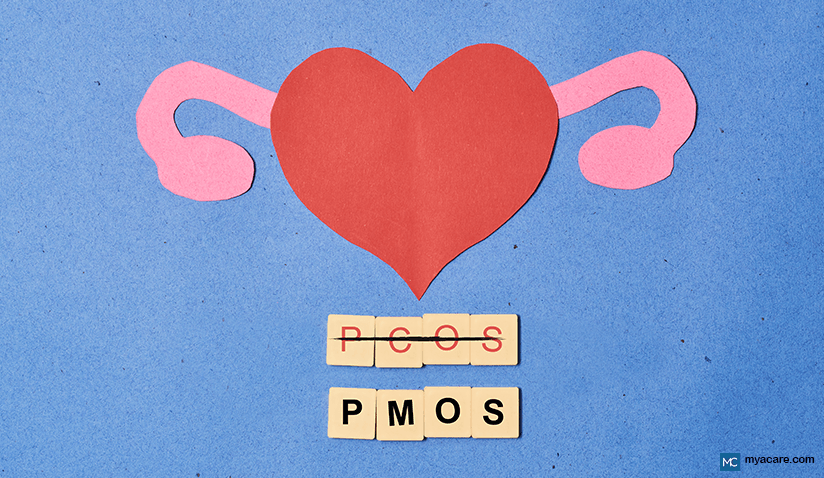
Polycystic ovary syndrome (PCOS) has recently been renamed polyendocrine metabolic ovarian syndrome (PMOS). The new name was developed to better describe the condition, which involves endocrine and metabolic disruptions and may not always present with ovarian cysts, making the old name misleading. Experts feel that the new name will lead to better understanding, diagnosis, and treatment of the condition.
Introduction
Polyendocrine metabolic ovarian syndrome (PMOS) is a disorder of the women's endocrine system. In this condition, the ovaries produce an abnormal amount of the male sex hormones, or androgens, that are usually present in small quantities in women. PMOS affects at least 7% of adult women.
PMOS was previously known as polycystic ovary syndrome; it was named after the characteristic, numerous, tiny, fluid-filled sacs (cysts) that form along the outer edge of the ovary. However, some women with PMOS may not have cysts, while some without the syndrome do.
PMOS, as it is now called, is a metabolic and endocrine syndrome that has multiple effects on the body, including affecting the ovaries and ovulation. Its three typical features are:
- Cysts in the ovaries
- High levels of androgens
- Irregular or skipped periods
An ovary releases a mature egg during ovulation, which is later fertilized by a male sperm. If the egg remains unfertilized, it is expelled from the body during your period.
In some cases, the body does not produce enough hormones needed to ovulate. When ovulation does not occur, the ovaries can develop cysts, which are one of the sources of androgens. The main source of androgen production in PMOS is hyperplasia of the theca cells of the ovary, which further contributes to the condition. The fluid-filled cysts in PMOS also contain immature eggs, called follicles, which fail to release eggs regularly.
In women with PMOS, high levels of androgens can often lead to many of the symptoms of the condition. The resultant hormonal imbalance also causes the body to skip menstrual periods and makes it harder to get pregnant.
PMOS treatment is lifestyle-focused, and medication is prescribed based on the patient’s condition. Early diagnosis and treatment may lower the risk of long-term complications.
Read on to take a closer look at the likely causes of PMOS, the symptoms, and its possible effects.
What Causes PMOS?
The exact cause of PMOS is not yet clearly understood. Insulin resistance is one of the primary causative imbalances in most, if not all, cases of PMOS. There are, however, several factors that can play a role in the development of the disorder. The causes of PMOS include:
Insulin Resistance
Insulin is a pancreatic hormone that lowers blood sugar levels by enabling cells to absorb and use glucose. In women with PMOS, insulin resistance affects the effective bodily utilization of the hormone. This leads to a rise in blood sugar levels, which can cause your body to produce more insulin.
Insulin helps to regulate ovarian function, and the ovaries respond to excess insulin by producing androgens. This can cause trouble with ovulation and the menstrual cycle.
Insulin resistance co-occurs with PMOS in up to 70 percent of women. A major cause of insulin resistance is obesity, and both conditions can increase the risk of type 2 diabetes. Additionally, obesity can be exacerbated by poor dietary choices and physical inactivity.
Excess Androgen
The presence of excess androgen interferes with ovulation. Even when ovulation occurs, eggs do not develop regularly and are not released from the follicles.
Heredity
Studies show that PMOS runs in families, and you might be more likely to have it if your sister or mother also has it.
Several genes have been identified as contributors to the development of the disease. These genes are involved at various levels of the steroid and androgen hormone synthesis pathways in the body.
Low-Grade Inflammation
Low-grade inflammation is a chronic response to factors such as injuries, diseases, and foreign invaders that constantly produce a steady, low level of inflammation throughout the body.
Increased levels of inflammation are common in women with PMOS. Studies have also linked excess inflammation to higher androgen levels.
Stress can also contribute to chronic inflammation and possibly worsen PMOS.
Others
Infections and toxins may also play a role in the development of PMOS. Some hypotheses also include exposure to androgens in fetal life.
Who Is at Risk of PMOS?
There are several risk factors for PMOS in adult women.
Type 1 diabetes and gestational diabetes are associated with PMOS. Having PMOS also puts a person at risk of developing type 2 diabetes.
Obesity and insulin resistance are also linked with an increased likelihood of developing PMOS.
A history of PMOS in the family (mothers, sisters) is also crucial. According to a study, daughters are five times more likely to have PMOS if their mothers had it.
Chronic cardiovascular disease in the mother or father may also increase the risk of developing PMOS.
Studies have suggested that pregnant women with elevated blood pressure are likely to give birth to daughters with PMOS. Women also had a slightly higher risk if their mothers smoked during pregnancy. If the fathers had a stroke or heart disease, the daughters also had a higher risk of the condition, twice and thrice the risk, respectively.
What Are the Symptoms of PMOS?
PMOS is a hormonal disorder that commonly affects women during their reproductive years and can significantly impact the menstrual cycle. As a result, you may have periods that last many days, have them infrequently and irregularly, or not have them at all. Besides menstrual problems, signs of hormonal and metabolic dysfunction are present and related to insulin and androgens.
Insulin resistance can present as dark, velvety patches of skin on the lower part of the neck, armpits, under the breasts, or groin. Weight gain and a bigger appetite may be other signs.
Excess androgen can result in oily skin and acne. It can also cause hirsutism and excess male-type hair growth, usually on the face, chest, back, or buttocks. Some women can also experience migraine headaches triggered by hormonal changes.
Other symptoms of PMOS include:
- Male pattern thinning of hair and head hair loss
- Weight gain (especially around the belly)
- Difficulty in getting pregnant
- Skin tags (small pieces of excess skin in the underarms or on the neck)
Can I have PMOS but not have any symptoms?
All symptoms may not be present in all women with PMOS, and each symptom can vary from mild to severe. The signs and symptoms are typically more severe in people with obesity.
More than half of women may not have any symptoms. Some only discover they have PMOS after they’ve had trouble getting pregnant or gained a lot of weight for unknown reasons.
Can PMOS Affect Pregnancy?
Higher-than-normal levels of androgen in a woman's body can affect fertility and other aspects of health.
Infertility or subfertility (reduced fertility) is a common problem for women with PMOS. This may be due to the imbalance of hormones or the ovaries infrequently releasing eggs.
Many women with PMOS do become pregnant, with or without medical assistance. But they have a higher risk of complications during pregnancy, labor, and delivery, such as gestational diabetes, pregnancy-induced high blood pressure, miscarriage, premature delivery, or a small-for-gestational-age infant.
With proper monitoring, the majority of PMOS symptoms during pregnancy can be treated. Due to complications that may arise during labor and delivery, women with PMOS are more likely to deliver via cesarean.
What Are the Long-Term Complications of PMOS?
Endometrial Cancer
Multiple studies have shown an increased risk of cancer of the endometrium in patients with PMOS later in life. Women with absent or very irregular periods (fewer than 3 or 4 periods a year) for many years have a higher-than-average risk.
From the teen years through menopause, all women experience a monthly buildup of the endometrial lining in the uterus. This happens as the body prepares for the potential of a fertilized egg. In the absence of pregnancy, the lining is normally shed through menstruation.
In women with PMOS, the monthly buildup of the endometrial lining is not sufficiently shed due to infrequent or nonexistent menstrual periods. The lining then continues to build up (a condition known as endometrial hyperplasia) because of low progesterone due to anovulation. Endometrial hyperplasia can eventually increase the risk of endometrial cancer.
Diabetes - Type 2
Since insulin resistance may cause your body to produce excess androgens, the cells in your organs and other tissues do not absorb blood sugar very well. Consequently, too much sugar moves through your bloodstream, causing diabetes.
Lipid Abnormalities
Increased androgens can lead to an unfavorable lipid profile in women with PMOS. The blood lipid profile may show a lower rate of the "good" cholesterol or high-density lipoproteins (HDL) and a higher rate of the "bad" cholesterol or low-density lipoproteins (LDL).
This imbalance increases the risk of cardiovascular disease.
Cardiovascular Problems
Several factors contribute to the risk of cardiovascular disease in women with PMOS, such as dysregulated lipid profile, overweight, and poorly controlled blood sugar.
Metabolic Syndrome
Metabolic syndrome is a cluster of conditions, including high blood sugar, high blood pressure, and unhealthy cholesterol or triglyceride levels, that significantly increase your risk of cardiovascular diseases, diabetes, and stroke.
Obstructive Sleep Apnea
Obstructive sleep apnea is a condition that causes repeated pauses in breathing during the night, which interrupts sleep.
The high androgen levels in PMOS seem to play a role in the development of sleep apnea. Increased body weight also contributes to this risk.
Depression, Anxiety, and Eating Disorders
Many women with PMOS eventually experience depression and anxiety due to hormonal changes and symptoms like unwanted hair growth.
When to See Your Doctor
Speak with your health care provider if you have:
- Irregular or infrequent periods
- Missed your period, but you are not pregnant
- Unexplained weight gain
- Trouble getting pregnant (for more than 12 months)
- Signs of excess androgen (such as hair growth on your face and body)
- Symptoms of diabetes, such as excessive hunger or thirst, unexplained weight loss, or blurred vision
How Is PMOS Diagnosed?
There is no single test to specifically diagnose PMOS.
During your appointment, your healthcare provider will ask you about your symptoms and medical history. They will also perform a complete physical examination, including checking for signs of excess hair growth, acne, and insulin resistance.
The doctor may then recommend a pelvic exam to check the health of your reproductive organs, both inside and outside your body.
Other tests that are required are:
Ultrasound
This test utilizes sound waves to produce images of structures within the body. Ultrasound is especially used to look at the size of the ovaries and see if they have cysts. It can also check the thickness of the lining of your uterus (endometrium).
During the test, a wand-like device (or a transducer) is placed in your vagina.
Blood Tests
These can detect high levels of androgens and other hormones. Your health care provider may also check your blood glucose, cholesterol, and triglyceride levels.
Additionally, tests that measure levels of C-reactive protein (CRP) and white blood cells, which can indicate the level of inflammation in your body, may also be performed.
Further Tests
If diagnosed with PMOS, your doctor may recommend more tests for complications, which can include:
- Regular checks of glucose tolerance, blood pressure, cholesterol, and triglyceride levels
- Screening for obstructive sleep apnea
- Screening for depression and anxiety
How Is PMOS Treated?
Treatment of PMOS targets the symptoms since the primary cause remains unknown.
Lifestyle Modifications
If you are overweight or obese and have PMOS, exercise and calorie-restrictive diets can be beneficial for weight loss. Your condition might improve even with modest weight reduction. Losing weight may also increase the effectiveness of medications and help with infertility.
Limit high-glycemic-load carbohydrates, as high-carbohydrate diets can elevate insulin levels. Staying active with exercise and eating more fiber can help lower blood sugar levels. Weight loss can lower insulin and androgen levels.
It is best to work with your health care provider and a registered dietitian to determine the most appropriate weight-loss plan for you.
Medications
Your doctor may recommend the following medications depending on your concerns.
Drugs to Regulate Periods
Birth control pills that contain both estrogen and progestin regulate estrogen and decrease androgen production. Progestin therapy alone can regulate your periods and protect against endometrial cancer. In addition, if you wish to avoid pregnancy, the progestin-only minipill or progestin-containing intrauterine device may be a better choice.
Alternatively, birth control hormones can come in a patch or vaginal ring.
Drugs to Induce Ovulation
An oral anti-estrogen medication, Clomiphene, is taken during the first part of your menstrual cycle to induce ovulation.
Letrozole (Femara) can work to stimulate the ovaries.
Drugs to Regulate Insulin Levels
Metformin (Fortamet, Glucophage) is a type 2 diabetes medication that also treats PMOS by improving insulin levels.
If you have prediabetes, metformin can slow the progression to type 2 diabetes and help with weight loss. Additionally, if you don't become pregnant using clomiphene, your provider might recommend adding metformin to help you ovulate.
Drugs to Control Acne and Excessive Hair Growth
Eflornithine (Vaniqa) cream is a drug prescribed for slowing facial hair growth.
Birth control pills can decrease androgen production. It is the androgens that cause acne and excessive hair growth.
Spironolactone (Aldactone) blocks the effects of androgen on the skin. As the medication can cause birth defects, it is not recommended if you are pregnant or planning to become pregnant. Effective birth control is also needed while taking this medication.
There are several options for acne, including pills and topical creams or gels. Your doctor will recommend the best-suited option for you.
Other Procedures
Surgical options (like ovarian drilling) can be used to improve fertility if other treatments do not work. The procedure makes tiny holes in the ovary with a thin heated needle or laser to restore normal ovulation.
Laser hair removal and electrolysis can eliminate unwanted hair on your face and body.
The former is a medical procedure that uses a concentrated beam of light to remove unwanted hair. The latter uses a small needle inserted into each hair follicle. It sends out a pulse of electric current that damages and then destroys the follicle.
Multiple sessions of laser hair removal or electrolysis may be required. Plucking, shaving, or using creams that dissolve unwanted hair are other options.
Conclusion
Polyendocrine Metabolic Ovarian Syndrome, or PMOS, is a common condition that affects ovarian functioning and impacts metabolism. The three hallmark facets are irregular periods, excess androgen, and polycystic ovaries - the presence of any two can diagnose the condition. While there is no cure yet for the condition, the symptoms of PMOS can be treated.
Talk to your healthcare provider if you think you have PMOS.
FAQ
Does PMOS ever go away?
Menopause can lessen symptoms of PMOS, but it never just goes away.
Can men have PMOS?
PMOS-type manifestations are not limited to women. Men can also suffer from insulin resistance, obesity, cardiovascular diseases, and diabetes mellitus despite not having ovaries. Besides hormonal and metabolic abnormalities, the clinical characteristics are early-onset baldness, excessive hair growth anywhere on the body, or acne.
Can I prevent PMOS?
Proven ways to prevent PMOS remain undiscovered. You can, however, make changes to your diet and lifestyle to reduce your symptoms. For instance, exercising regularly, managing your weight, and eating a healthy and nutritious diet can help you avoid the effects of PMOS.
To search for the best Obstetrics and Gynecology healthcare providers in Germany, India, Malaysia, Poland, Saudi Arabia, Singapore, Slovakia, Spain, Thailand, Turkey, the UAE, the UK and the USA, please use the Mya Care search engine.
To search for the best Endocrinology healthcare providers in Germany, India, Malaysia, Spain, Thailand, the UAE, UK, the USA, please use the Mya Care search engine.
To search for the best healthcare providers worldwide, please use the Mya Care search engine.
The Mya Care Editorial Team comprises medical doctors and qualified professionals with a background in healthcare, dedicated to delivering trustworthy, evidence-based health content.
Our team draws on authoritative sources, including systematic reviews published in top-tier medical journals, the latest academic and professional books by renowned experts, and official guidelines from authoritative global health organizations. This rigorous process ensures every article reflects current medical standards and is regularly updated to include the latest healthcare insights.

Dr. Rae Osborn has a Ph.D. in Biology from the University of Texas at Arlington. She was a tenured Associate Professor of Biology at Northwestern State University, where she taught many courses to Pre-nursing and Pre-medical students. She has written extensively on medical conditions and healthy lifestyle topics, including nutrition. She is from South Africa but lived and taught in the United States for 18 years.
References:
Featured Blogs

Medically Induced Coma: What It Is, How It Works & Recovery